Search here
 Log In
Why Pakistan?
1. A strategic location in Asia
Pakistan’s strategic location makes it Asia’s foremost trade, energy and transport corridor. On one side it is the doorway to the energy rich Central Asian States, the financially liquid Gulf States and on the other side it provides the access to the economically advanced Far Eastern tigers. This tactical advantage alone makes Pakistan a marketplace studded with heavy potential.
2. A solid workforce
Fifty five percent of Pakistan’s population is less than twenty years which guarantees for long- term sustainable economic growth. Pakistan has a sturdy middle class, which is presently around sixty three (63) million. A large number of labor force/workers are good at speaking and reading in English language. Pakistan enjoys a large pool of trained and experienced engineers, bankers, lawyers and other professionals with many having significant international exposure. The consumer market in Pakistan is growing swiftly reaching a number of 125 million.
3. Emerging Economy
Pakistan’s economy has sustained on strong footings during global financial crisis. It also has retained global and regional parameters and has performed better than some of the notable neighboring countries. The World Bank in his report of 2013 declared Pakistan’s economy better than Russia, Indonesia, Brazil, India and Philippines. Moreover Pakistan in same report Pakistan also has ranked at 107 out of 185 countries ahead of both India and Bangladesh in the region for “ease of doing business”. Pakistan is optimistic to grow at 6 % plus in the next 2-3 years based on serious and realistic reforms program
4. Investor friendly investment policy
An investment encouraging policy has been designed to provide a comprehensive framework for a business friendly environment to attract FDI. Pakistan's policy trends have been consistent, with liberalization, de-regulation, privatization, and facilitation being its foremost cornerstones.
5. Addressing global Challenges
To meet the global challenges of competitiveness and to attract Foreign Direct Investment (FDI), the government has framed a law of Special Economic Zones (SEZ). This law permits and facilitates to form industrial cluster. This move will definitely encourage the investors to find their perfect match in Pakistan but also help local businessmen to grow by boosting productivity and reducing cost of doing business for economic development. The Law further envisions reducing processes through Special Economic Zones (SEZ) in Pakistan.
Agriculture: Higher Income – Greater Food Security
Rising Demand and Diminishing Supply – The Basis for Agriculture Investment
Demand for agricultural commodities is rising fast. Population growth is occurring at the fastest pace in history with 80 million new mouths coming to the dinner table every year. Furthermore, super-size populations in developing economies like China, India and Pakistan are spending their rising incomes on food and energy; demanding a more resource-intensive, western-style diet.
At the same time, tens of thousands of sq.km of productive land is lost every year due to soil degradation, urbanization and a changing climate. Expanding the area already committed to crops is not workable. Furthermore, agricultural productivity from the productive area that remains is also close to the limit of what is possible using current technology – with agricultural yields increasing at less than 1 per cent (1%) per year.
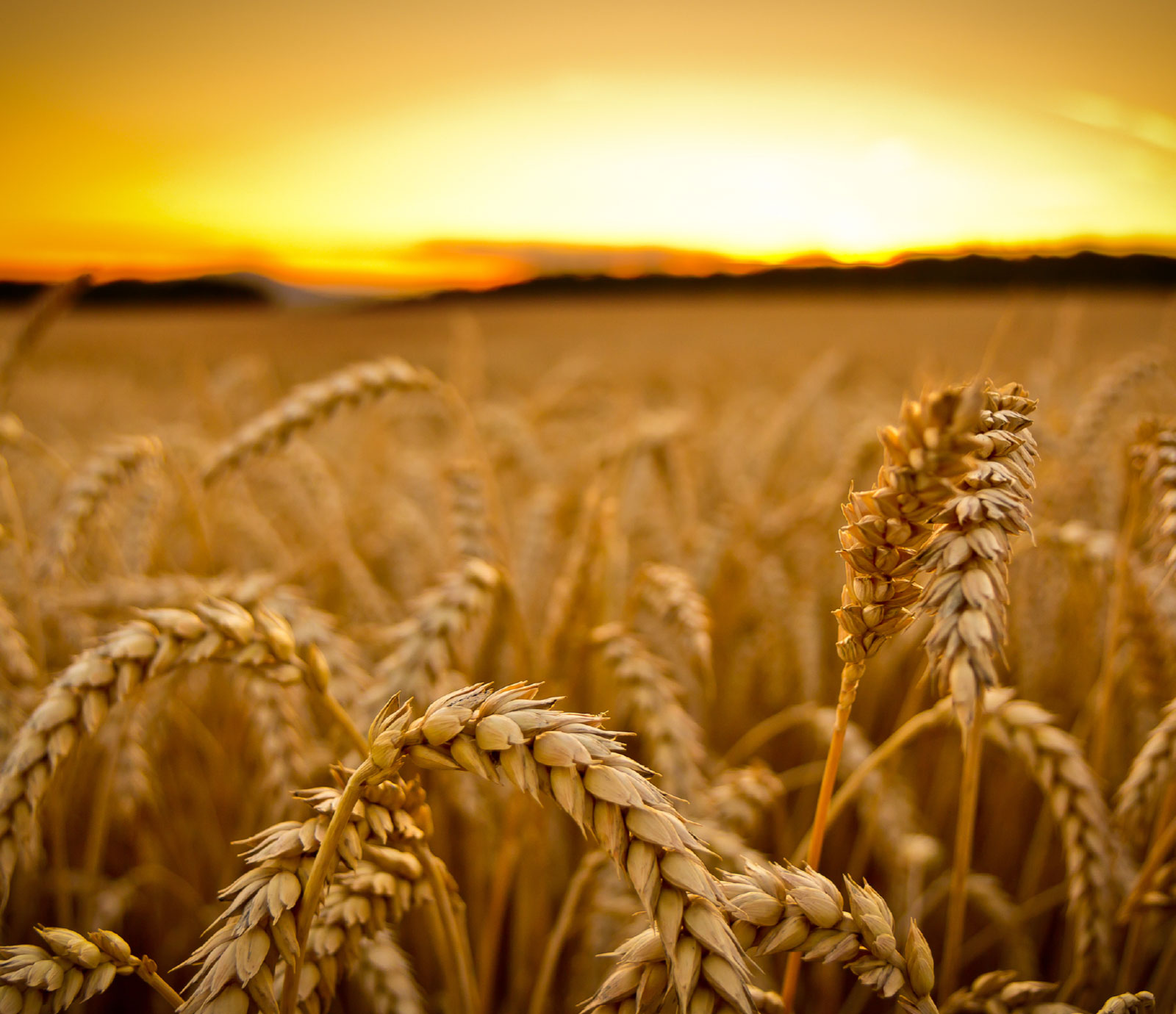
Pakistan has a rich and vast natural resource base, covering various ecological and climatic zones. The country has great potential for producing all types of food commodities. Pakistan is agricultural super power in many ways but the yield is very low. There is 22.45 million hectares under cultivation area of which 16.5 million hectares is only in Punjab, the largest province of Pakistan.
The potential of agriculture sector of Pakistan can be graded in three sub categories.
- Dairy
- Live Stock and Poultry
- Fisheries
Dairy: Pakistan has remarkable dairy industry which can be developed to its real potential. Although there is enormous productivity gap in the sector yet Pakistan is the fourth biggest milk producing country in the world. Milk production can easily be increased by three times by using simple methods while investments in transferring of technology and latest measures can further enhance milk production output by 900 %. Pakistan produces 35 billion liters of milk from around 5 million animals which is of worth Rs.177 billion.
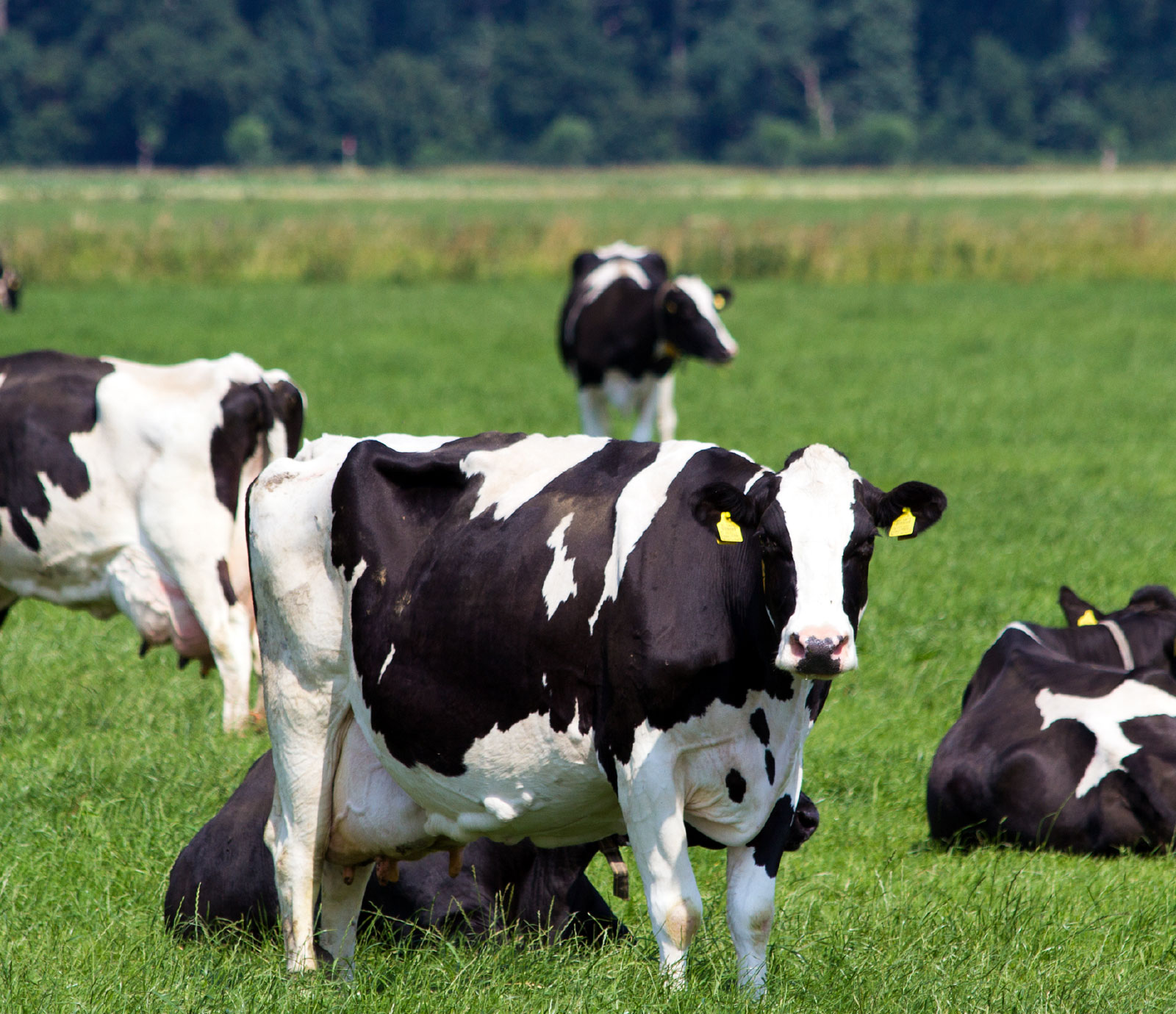
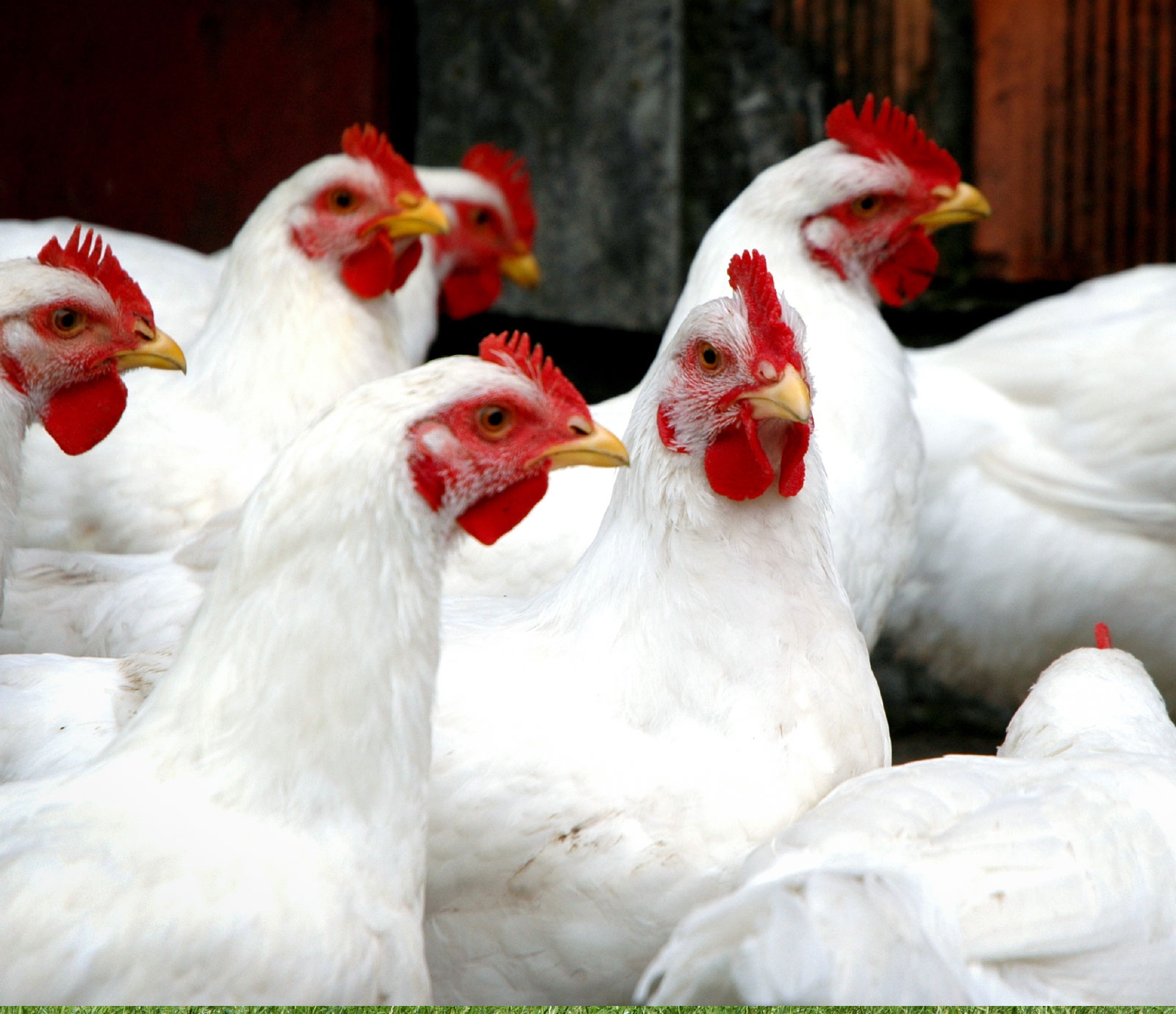
Livestock and Poultry: Pakistan is rich in livestock wealth in terms of numbers of species and breeds as well as their population. Livestock found in Pakistan belongs to seven species i.e. buffaloes, cattle, sheep, goats, camels, equine (horses, donkeys and mules) and poultry. Buffaloes are primarily kept for milk production with beef as an important by-product. In addition, they are used for a variety of agricultural operations particularly for ploughing in the paddy fields because of their larger hooves and better foot grip. With the exception of few dairy breeds, Pakistani cattle are generally used for draught purposes with beef as a by-product. The livestock sector can quite rightly be called the country's hidden secret. Pakistan has 3rd largest livestock population.This sector contributed 11.9% to GDP in fiscal year 2012-13. Meat demand in Pakistan is growing at approx. 6% per annum, while poultry alone contributes about 20% towards the total meat production.
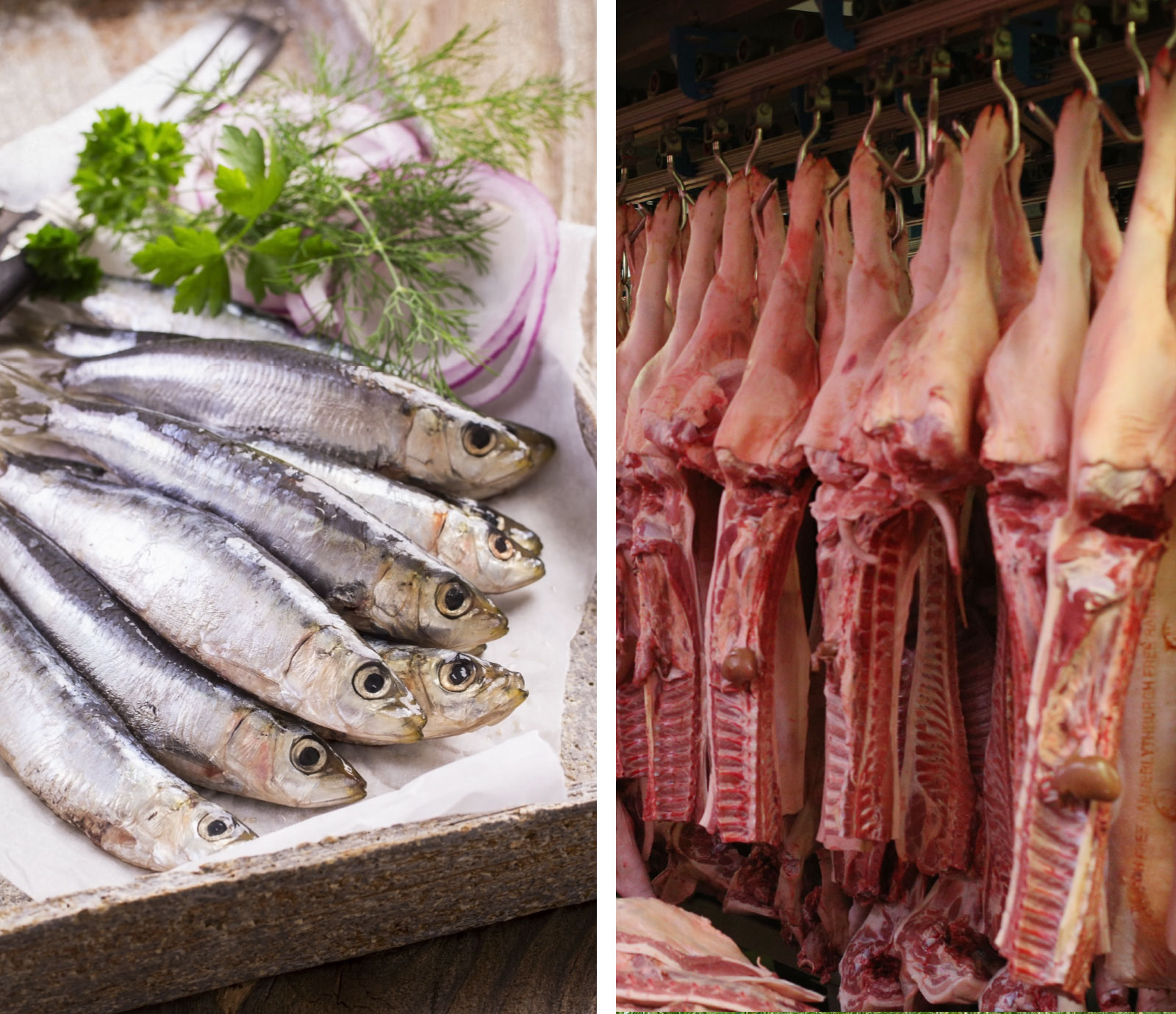
Fisheries: Pakistan has a total coast line of 1050 km. Total fishing area is approximately 300270 sq/km. Pakistan’s fishing grounds are termed as highly rich in marine life with a vast variety of species having commercial importance. Fisheries, as a subsector, play a momentous role in the national economy and towards the food security of the country. The growth of this subsector can reduce the existing pressure on mutton, beef and poultry demand.
Investment Prospectives
- A vast 1.7 million hectares is still available for corporate farming of the total 16.5 million hectares of cultivable land in Punjab
- 30% (3.4 MT) of horticultural produce that goes to waste every year can be converted into economic gain by investing agribusiness value chain industries
- Being 4th largest milk producer globally and an average annual milk demand growth of 20%, only 3-4% of milk is processes in Pakistan. Significant potential for setting up processing units for local consumption and export exists
- With 3rd largest livestock population, the average yield of milk per animal is one of the lowest in the world. Opportunity for investment in breed improvement, animal husbandry, veterinary medicines is also there
- Meat demand in Pakistan is growing at 6% per annum and traditional fattening techniques are outdated. Fattening farms with modern techniques are an area of investment
- Slaughter houses, meat processing units, halal meat export etc., too have significant growth potential