Search here
 Log In
Special Report
BACKGROUND
The founding fathers of the United States created a system in which the American people got the power and responsibility to select their leader. Under this new order, George Washington, the first U.S. President, was elected in 1789. At the time, only white men who owned property could vote, but the 15th, 19th and 26th Amendments to the Constitution of United States of America have expanded the right of vote to all citizens over 18.
The first presidential election was held on the first Wednesday of January in 1789. No one contested the election of George Washington, but he remained reluctant to run until the last minute, in part because he believed seeking the office would be dishonorable. Only when Alexander Hamilton and others convinced him that it would be dishonorable to refuse and then he agreed to run.
PAST US PRESIDENTS
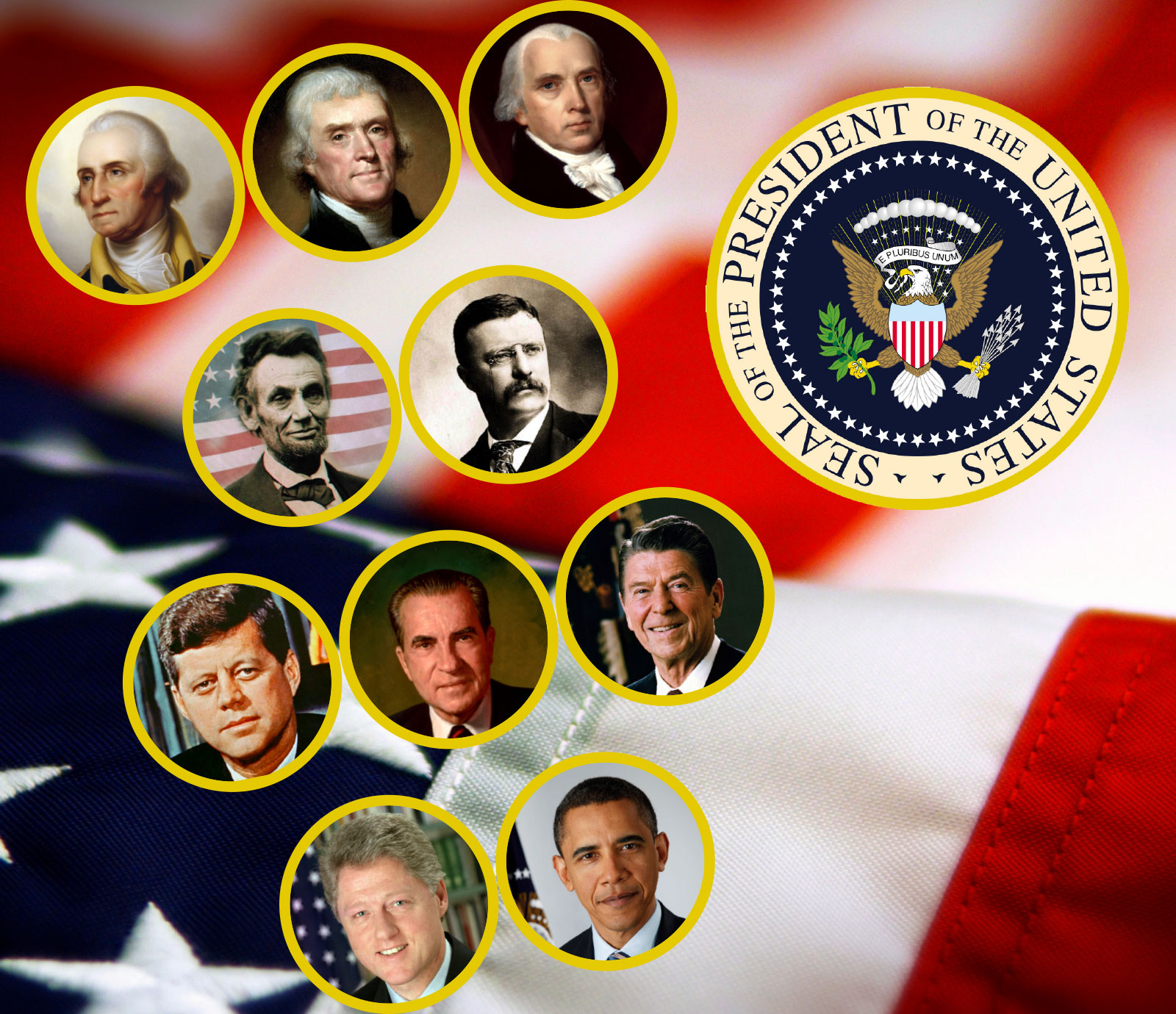
George Washington 1789 -1797
John Adams 1797-1801
Thomas Jefferson 1801-1809
James Madison 1809-1817
James Monroe 1817-1825
John Quincy Adams 1825-1829
Andrew Jackson 1829-1837
Martin Van Buren 1837-1841
William Henry Harrison 1841- 1841
John Tyler 1841-1845
James Knox Polk 1845-1849
Zachary Taylor 1849-1850
Millard Fillmore 1850-1853
Franklin Pierce 1853-1857
James Buchanan 1857-1861
Abraham Lincoln 1861-1865
Andrew Johnson 1865-1869
Ulysses Simpson Grant 1869-1877
Rutherford Birchard Hayes 1877-1881
James Abram Garfield 1881
Chester Alan Arthur 1881-1885
Grover Cleveland 1885-1889
Benjamin Harrison 1889-1893
Grover Cleveland 1893-1897
William McKinley 1897-1901
Theodore Roosevelt 1901-1909
William Howard Taft 1909-1913
Woodrow Wilson 1913-1921
Warren Gamaliel Harding 1921-1923
Calvin Coolidge 1923-1929
Herbert Clark Hoover 1929-1933
Franklin Delano Roosevelt 1933-1945
Harry S. Truman 1945-1953
Dwight David Eisenhower 1953-1961
John Fitzgerald Kennedy 1961-1963
Lyndon Baines Johnson 1963-1969
Richard Milhous Nixon 1969-1974
Gerald Rudolph Ford 1974-1977
James Earl Carter Jr. 1977-1981
Ronald Wilson Reagan 1981-1989
George Herbert Walker Bush 1989-1993
William Jefferson Clinton 1993-2001
George Walker Bush 2001-2009
Barack Hussein Obama 2009 – present
ELECTION PROCEDURE
The election of President and Vice President of the United States is an indirect election in which citizens of the United States who are registered to vote in one of the fifty states or Washington, D.C. cast ballots for a set of members of the U.S. Electoral College, known as electors. These electors then in turn cast direct votes, known as electoral votes, for President and Vice President of the United States. The candidate who receives an absolute majority of electoral votes for President or Vice President is then elected to that office. If no candidate receives an absolute majority for President, the House of Representatives chooses the President; if no one receives a majority for Vice President, then the Senate chooses the Vice President. The Electoral College and its procedure is established in the U.S. Constitution by Article II, Section 1, Clauses 2 and 4; and the Twelfth Amendment (which replaced Clause 3 after it was ratified in 1804).
These presidential elections occur quadrennial, with registered voters casting their ballots on Election Day, which since 1845 has been the Tuesday after the first Monday in November, coinciding with the general elections of various other federal, state, and local races. The next U.S. presidential election, the 58th quadrennial U.S. Presidential Election is scheduled for Tuesday, November 8, 2016.
Under Article II, Section 1, Clause 2, the manner for choosing electors is determined by each state legislature, not directly by the federal government. Originally, many state legislatures selected their electors directly instead of using any form of popular vote, but now all states currently conduct their own separate popular elections to help choose their slate of electors. Once chosen, the electors can vote for anyone, but – with rare exceptions like an unpledged elector or faithless elector – they vote for their designated candidates and their votes are certified by Congress, who is the final judge of electors, in early January. The presidential term then officially begins on Inauguration Day, January 20 (although the formal inaugural ceremony traditionally takes place on the 21st if the 20th is a Sunday).
The nomination process, consisting of the primary elections and the nominating conventions, was never specified in the Constitution, rather developed over time by the states and the political parties. The primary elections are staggered generally between January and June before the general election in November, while the nominating conventions are held in the summer. This too, is also an indirect election process, where voters from each U.S. state and Washington, D.C., as well as those in U.S. territories, cast ballots for a slate of delegates to a political party’s nominating convention, who then in turn elect their party’s presidential nominee. Each party’s presidential nominee then chooses a vice presidential running mate to join with him or her on the same ticket, and this choice is rubber-stamped by the convention. Because of changes to national campaign finance laws since the 1970s regarding the disclosure of contributions for federal campaigns, presidential candidates from the major political parties usually declare their intentions to run as early as the spring of the previous calendar year before the election. Thus, the entire modern presidential campaign and election process usually takes almost two years.

2016 PRESIDENTIAL ELECTION CANDIDATES
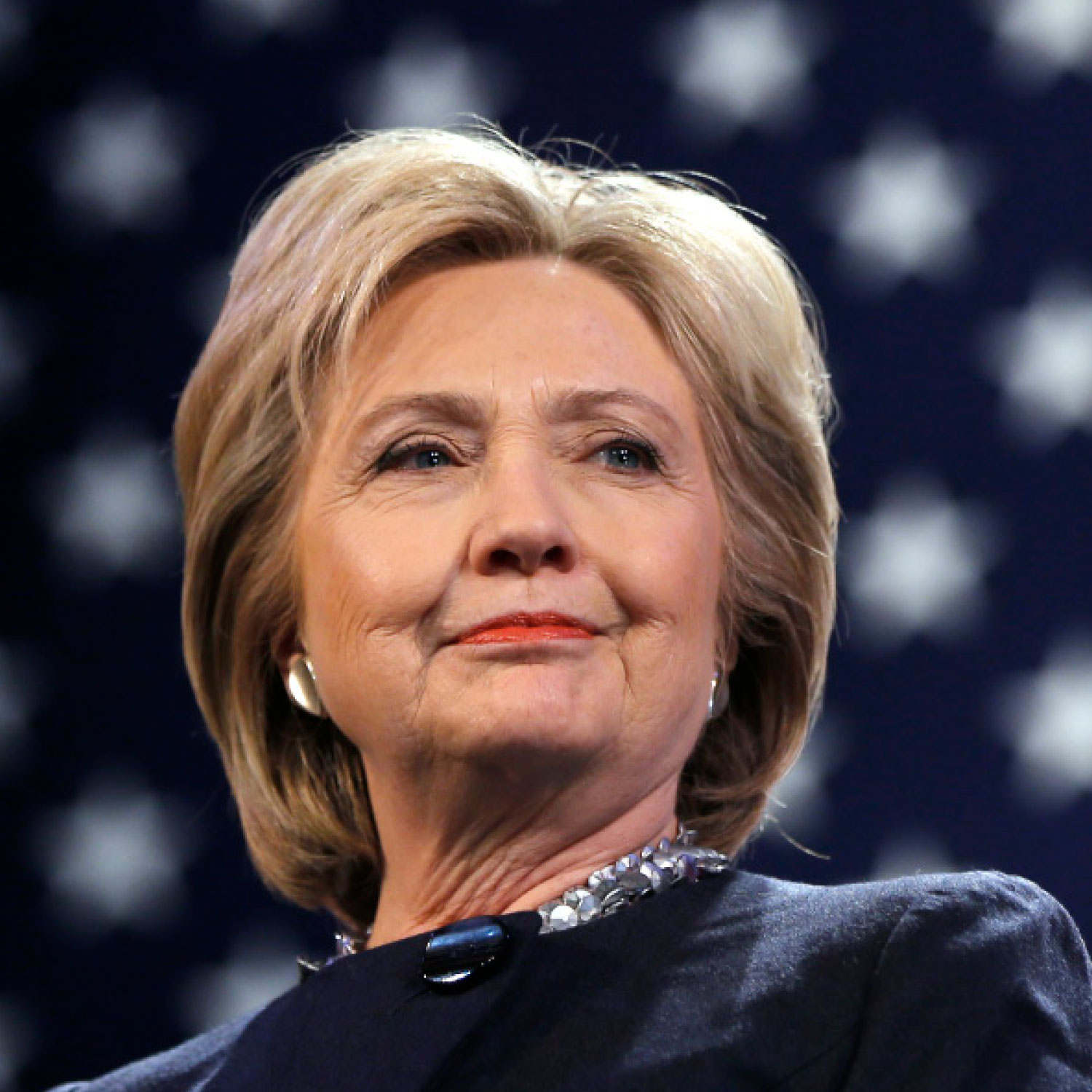
Democratic Nominee: Hillary Clinton
Voters are familiar with Clinton from her time as secretary of state, 2008 presidential campaign and time in the U.S. Senate from 2000 through 2008. Her husband, Bill, is obviously pretty famous too. After a lengthy FBI investigation into her email practices while Secretary of State, the FBI decided not to recommend indictment. The FBI did release plenty of evidence that will be fodder for Republicans this campaign season.
On July 12, Bernie Sanders officially endorsed Clinton for President. “She will be the Democratic nominee for President and I intend to do everything I can to make certain she will be the next President of the United States,” Sanders said. Clinton was endorsed by President Obama and Vice President Biden on June 9.
Policy Positions:
- Hillary opposes the Trans-Pacific Partnership free trade agreement.
- She opposes Keystone XL pipeline.
- She wants to raise taxes on capital gains held for one to six years
Age on Election Day: 69
Education: Wellesley College (Political Science), Yale University Law School (J.D.)
Republican Nominee: Donald Trump
Trump is the son of Fred Trump, a wealthy real estate developer. Donald Trump is a successful businessman in his own right. Trump has flirted with running in the past and appeared at multiple Conservative Political Action Conferences. His brash personality and wealth make him one of the most well-known figures in the country. Although he was a Republican before 1999, Trump was a registered Democrat from 2001-2009 and previously supported universal healthcare. He was the host of “The Apprentice,” a reality show on NBC.
Policy Positions:
- Trump wants to reform taxes into four brackets at zero, 10, 20, and 25 percent, while phasing out all deductions except for the charitable and mortgage interest deductions.
- In response to mass gun tragedies, wants to expand treatment programs for people with mental health problems.
- Wants to build a wall across the Mexican border, and would increase fees on border crossing cards, temporary visas and entry at border ports to pay for it.
Age on Election Day: 70 Years
Education: Wharton School of the University of Pennsylvania (Economics)
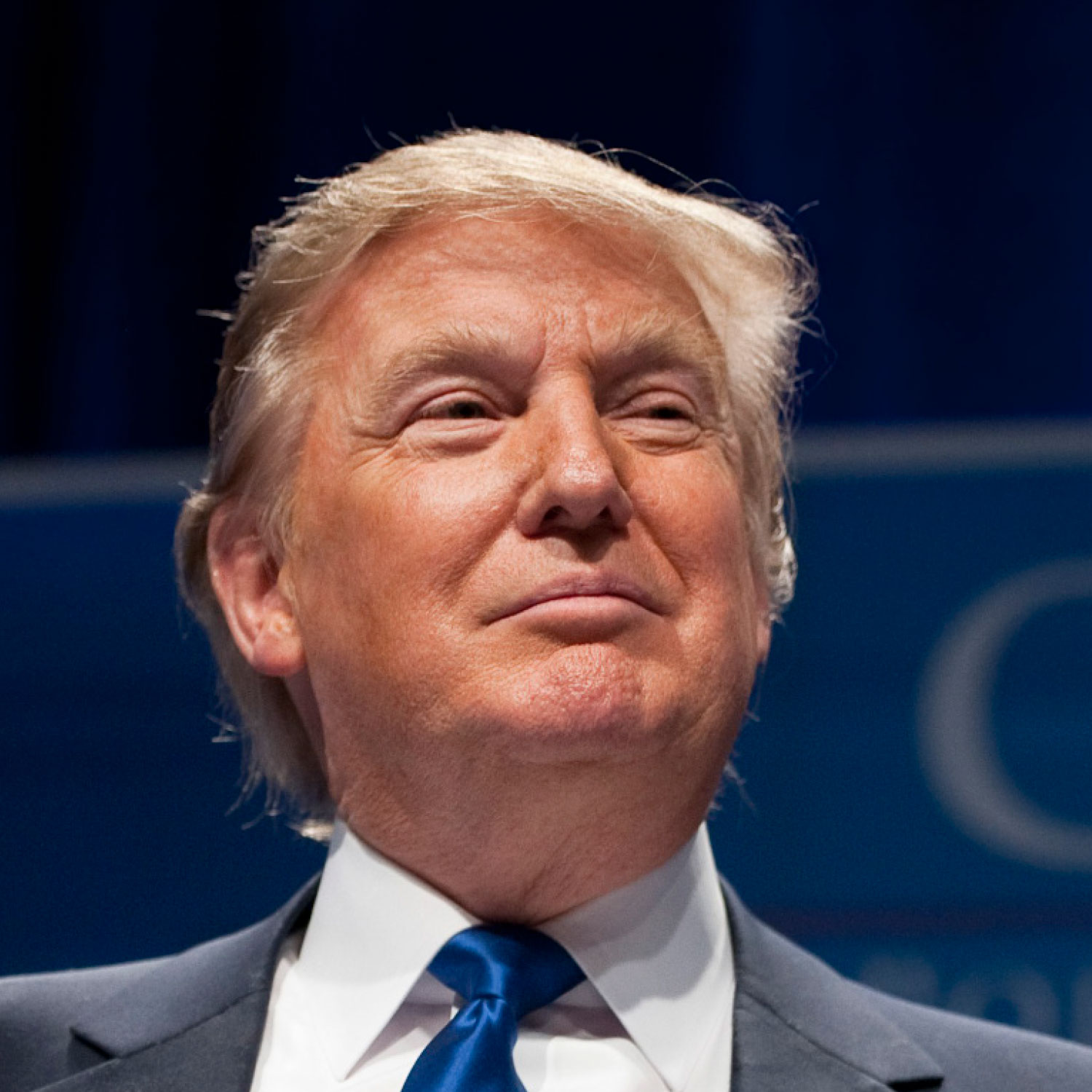
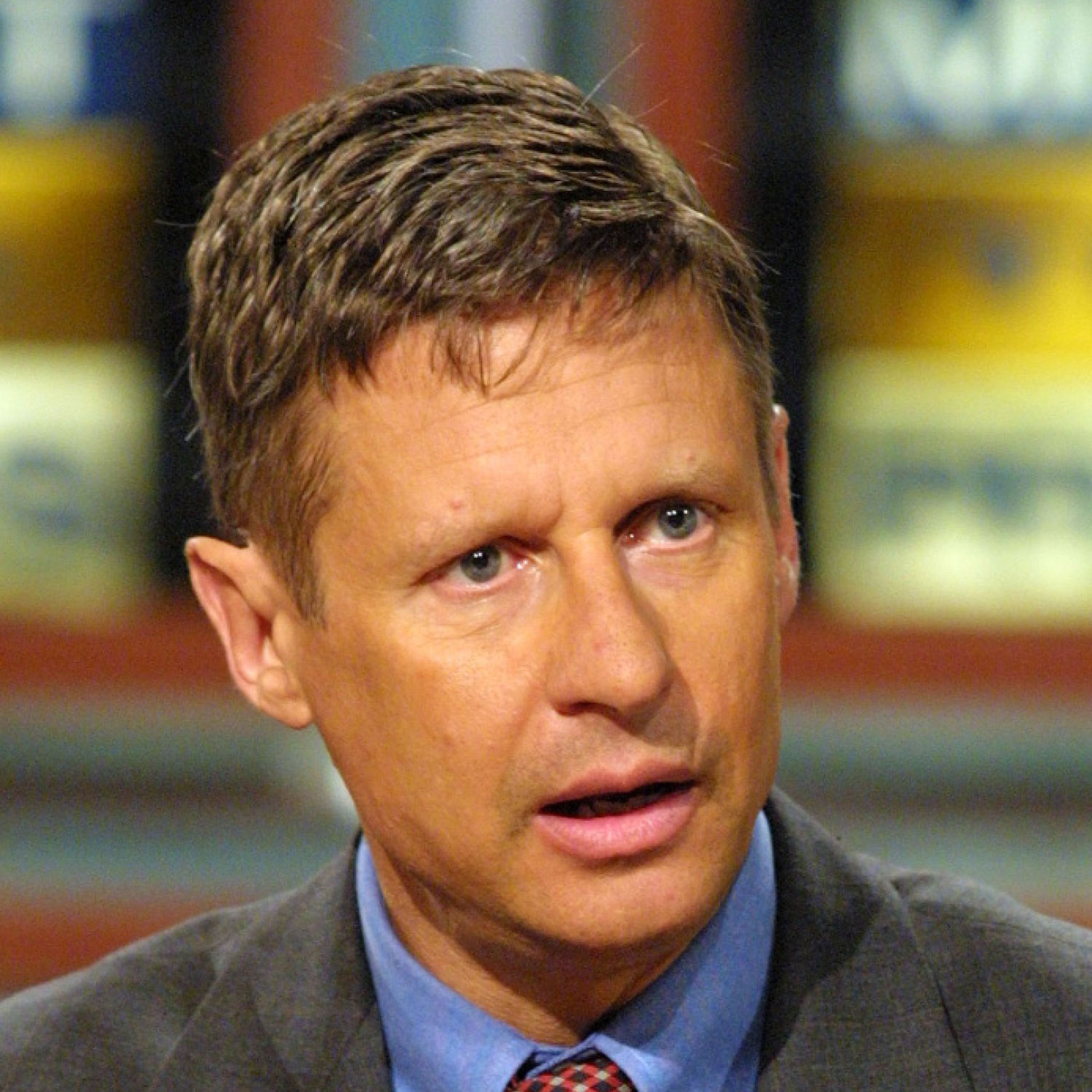
Libertarian Party Nominee: Former Governor Gary Johnson (New Mexico) (On ballot in all 50 states + DC
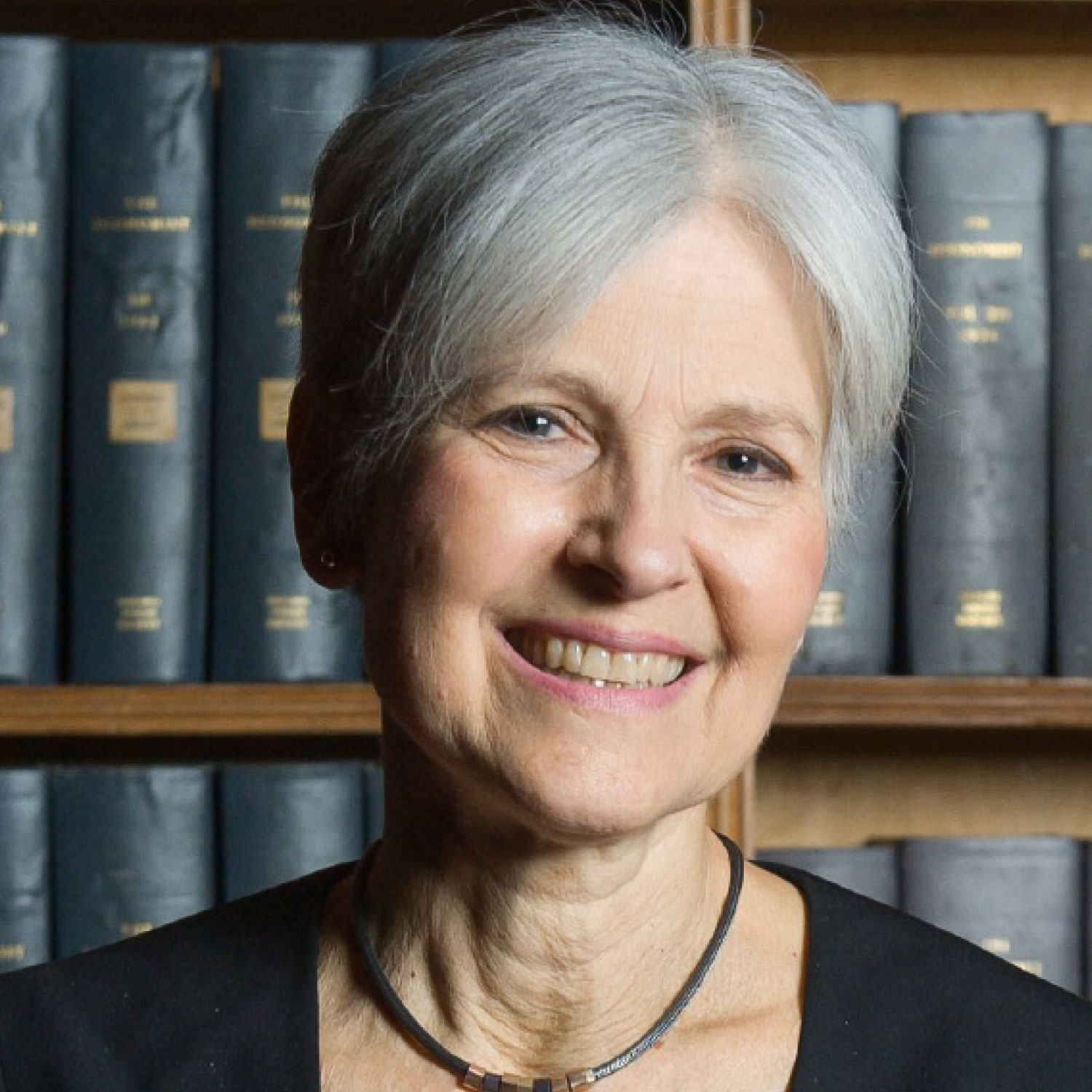
Green Party Nominee: Dr. Jill Stein (Massachusetts) (On ballot in 40+ states + DC)
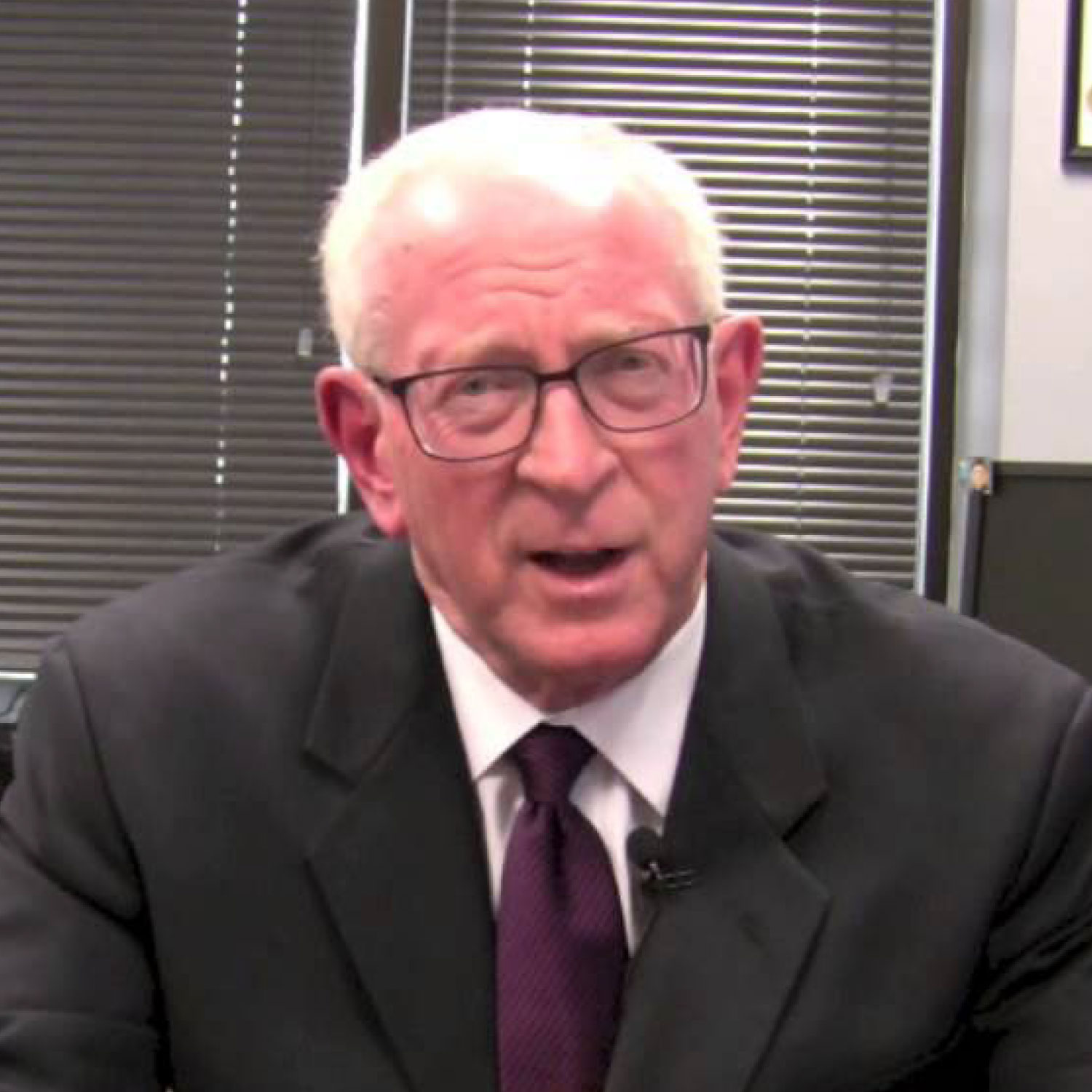
Constitution Party of the U.S. Nominee: Darrell Castle (Tennessee)
INAUGURATION DAY
Inauguration Day 2017 will be Barack Obama’s Last Day in Office. President Barack Obama will technically be President of the United States right up until noon on Jan. 20, 2017, under provisions sets forth in the U.S. Constitution’s 20th Amendment. He will be serving the final hours of his second term and completing a historic presidency as the nation’s first African-American to serve in the White House. According to the amendment, the terms of the President and Vice President end at noon on the 20th day of January
The Day Begins with a Morning Worship Service
The current precedent for the president-elect to attend Morning Worship Service on the day of the presidential inauguration began in 1933 with Franklin D. Roosevelt. Since that time, every president has attended a religious service on the day of their swearing-in. President Barack Obama attended St. John’s Episcopal Church in 2008, the same church as Roosevelt attended in 1933. However, in 2013, he is attending a service at the National Cathedral.
The President and President-Elect Arrive Together
Since 1837 and the inauguration of Martin Van Buren, the president and president-elect have ridden to the swearing-in ceremony together. Forty years later, the tradition was expanded so that the vice President and Vice President-elect also ride together to the ceremony. They traditionally follow the presidential car.
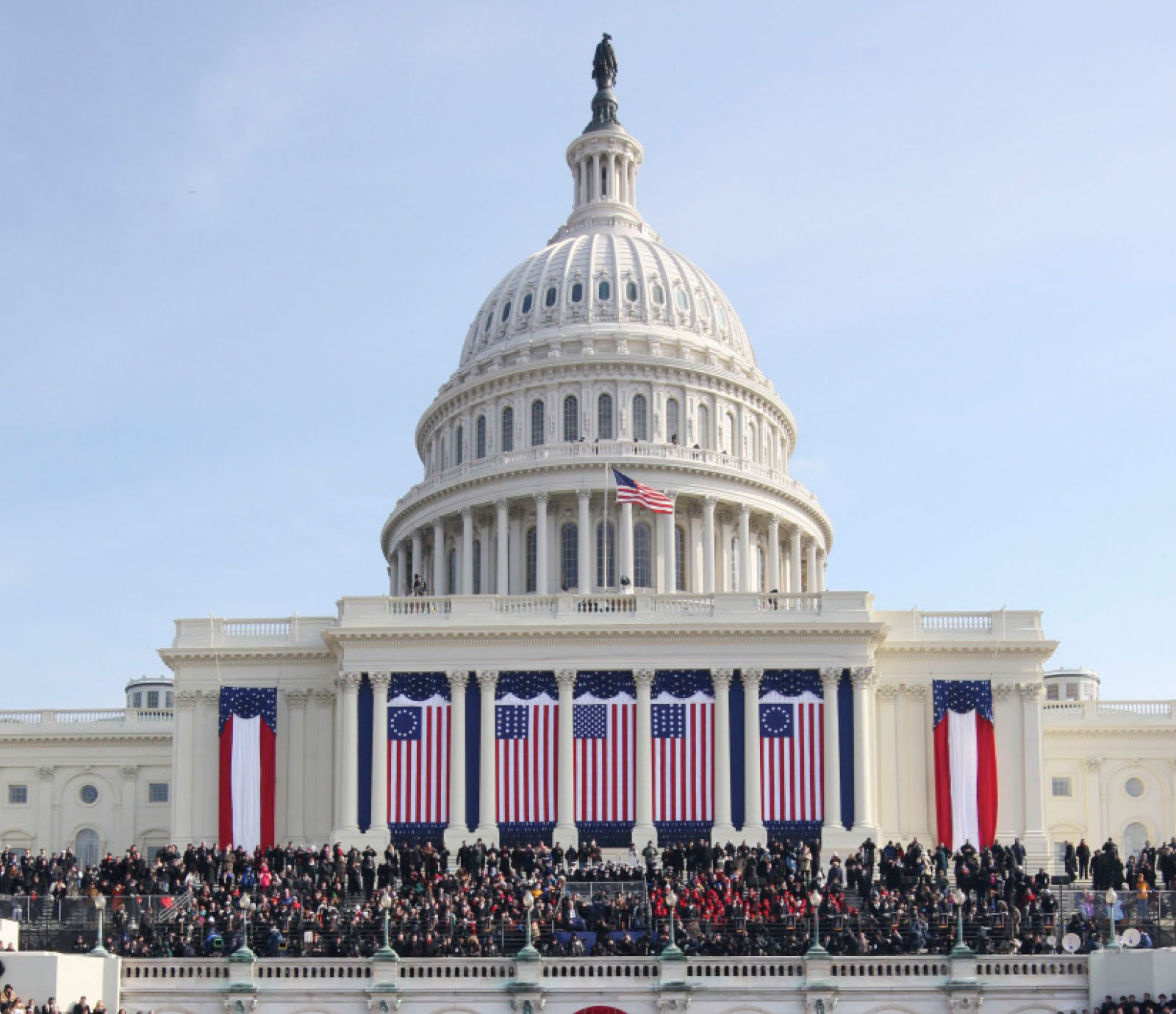
The Vice President is Sworn in First
The Vice President takes his oath of office before the president. His oath is not unique to his position and is instead used to swear in government officers and legislators. It reads as follows:
“I do solemnly swear (or affirm) that I will support and defend the Constitution of the United States against all enemies, foreign and domestic; that I will bear true faith and allegiance to the same; that I take this obligation freely, without any mental reservation or purpose of evasion; and that I will well and faithfully discharge the duties of the office on which I am about to enter: So help me God.”
Part of the reason for having the vice president sworn in first is that it protects the line of succession to the presidency.
The Oath of Office is Directly from the Constitution
The presidential oath of office was set down in the US Constitution as follows:
“I do solemnly swear (or affirm) that I will faithfully execute the office of President of the United States, and will to the best of my ability, preserve, protect and defend the Constitution of the United States.”
Traditionally, the oath is taken while the president rests his hand on a Bible. Only three presidents have not used a bible: John Quincy Adams, Franklin Pierce, and Theodore Roosevelt. Seven presidents have restated their oaths of office including President Obama in 2009.
The Inaugural Address Has Been Part of the Tradition from the Beginning
George Washington started the tradition of giving an inaugural address in 1789. To this day, his was the shortest ever delivered. The inaugural address has been used by presidents to set policy, provide vision for the future and in the case of Abraham Lincoln to try and help heal a wounded nation.
The Outgoing President Leaves the Capital Immediately After the Ceremony
As part of the peaceful change of government from one president to the next, the outgoing president leaves soon after the swearing-in and inaugural address. In recent years, the tradition has been that both the former president and vice-president and their wives are escorted from the Capital by their new counterparts.
Lunch is Held in Statuary Hall
After the official swearing-in ceremony is completed and the outgoing president and vice-president have left, the Joint Congressional Committee on Inaugural Ceremonies hosts a lunch in Statuary Hall at the Capital. In 2009, President Obama and Vice-President Biden were served Seafood Stew, a choice of Duck or Pheasant, followed by Cinnamon Apple Sponge cake.
The Inaugural Parade Dates Back to George Washington
George Washington was inaugurated on April 30, 1789. It began more as procession that joined him on his journey from Mount Vernon to New York City where he took the oath of office. It was not until 1801 when the ceremony was held in Washington, D.C. with the swearing in of Thomas Jefferson. The parades continued to be processions and honor guards rather than organized affairs until 1809 and the inauguration of James Madison. In 1873, with the election of Ulysses S. Grant, the president began the tradition still carried on today of reviewing the parade in his honor at the White House.