Search here
 Log In
Pakistan: A Global Trade Corridor
Economy is the pulse of any country’s growth and prosperity while geography is the backbone of economy ; eithe a country is agrarian or industrial. Agrarian countries are directly based on geography and industrial are indirectly dependent on it. Therefore, one cannot ignore the importance of geography in any sector of life like, agricultural, industrial, commercial, cultural, recreational, sports, tourism, social and cultural activities.
Geography affects economic policy choices because location and climate have large effects on income levels and income growth. Let us see how the location of a country plays a dynamic role in economy. It is the location which attributes a country as land power or sea power, and Pakistan possesses both of them. Pakistan is blessed with a paramount location, surrounded by China, India, Iran, Afghanistan, Central Asian Russian States and the Arabian Sea. Pakistan is a junction of south, west and central Asia. Internationally, this unique location is extremely valuable. Almost 75% trade of the world is being done by Arabian Sea; Pakistan has dominant position in this, because it is the midpoint of this trade route, with almost 700 Km coastal line, natural sea port of Karachi and deep sea port of Gwadar.
This geo-strategic location is vital for the economy and can make Pakistan internationally, center of economic activities. Geographically, size of a state itself is an element of power. It affects social, cultural and commercial activities of a country. In this perspective Pakistan is ideal; its size is greater than many developed countries like France, Japan and UK. In this regard, Pakistan is pretty sufficient for its citizens for the purposes of residence, agriculture, forestry, industry and other facilities of infrastructure like dams, roads and motorways.
Pakistan is not only blessed with very advantageous location and valuable size, but the landscape of entire country is also diversified with the uniqueness of five different weathers around the year. Magnificent mountains, plenteous plateaus, luxuriant plains and deep sea coastal line enhance the economic value of our country.
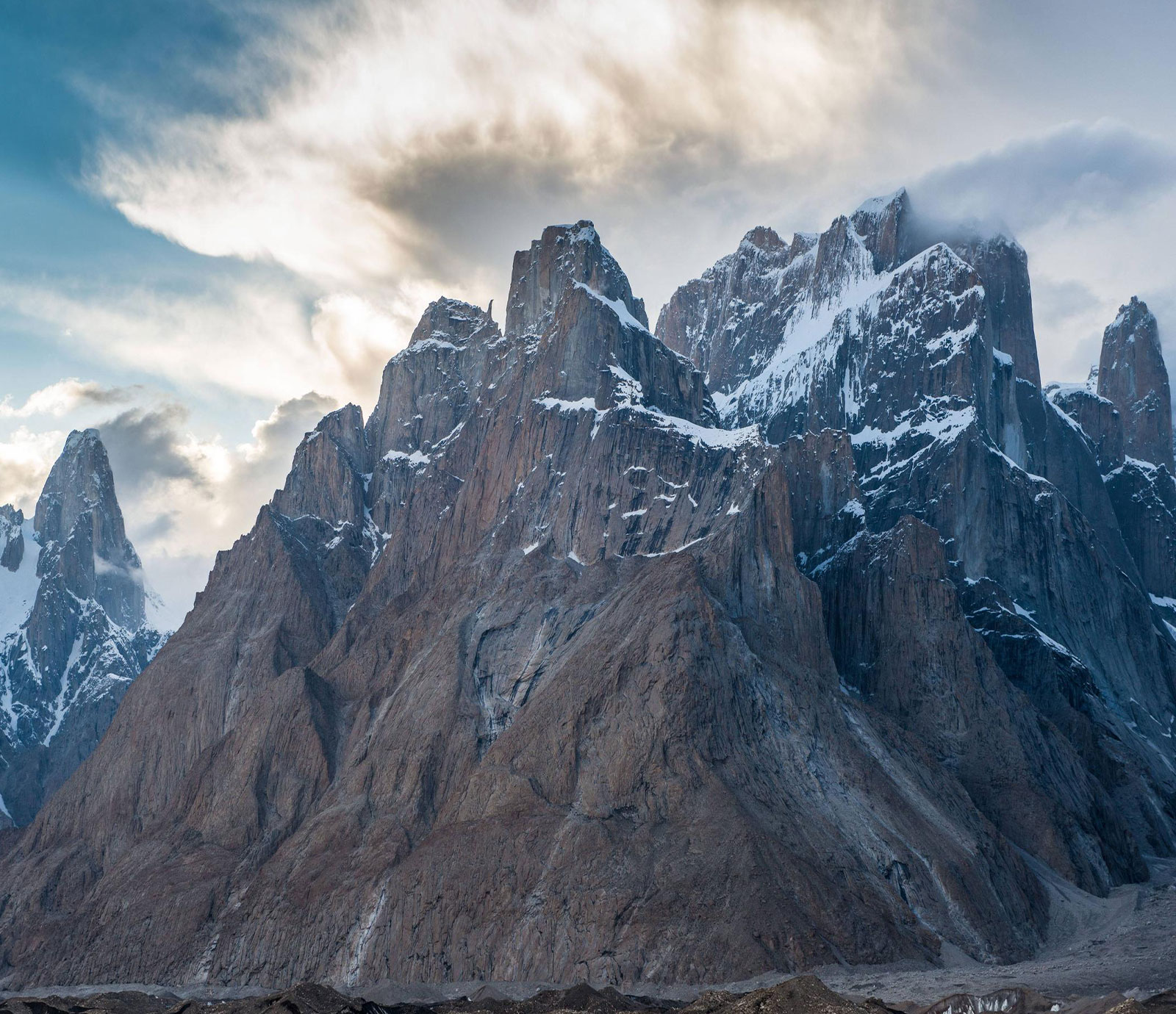
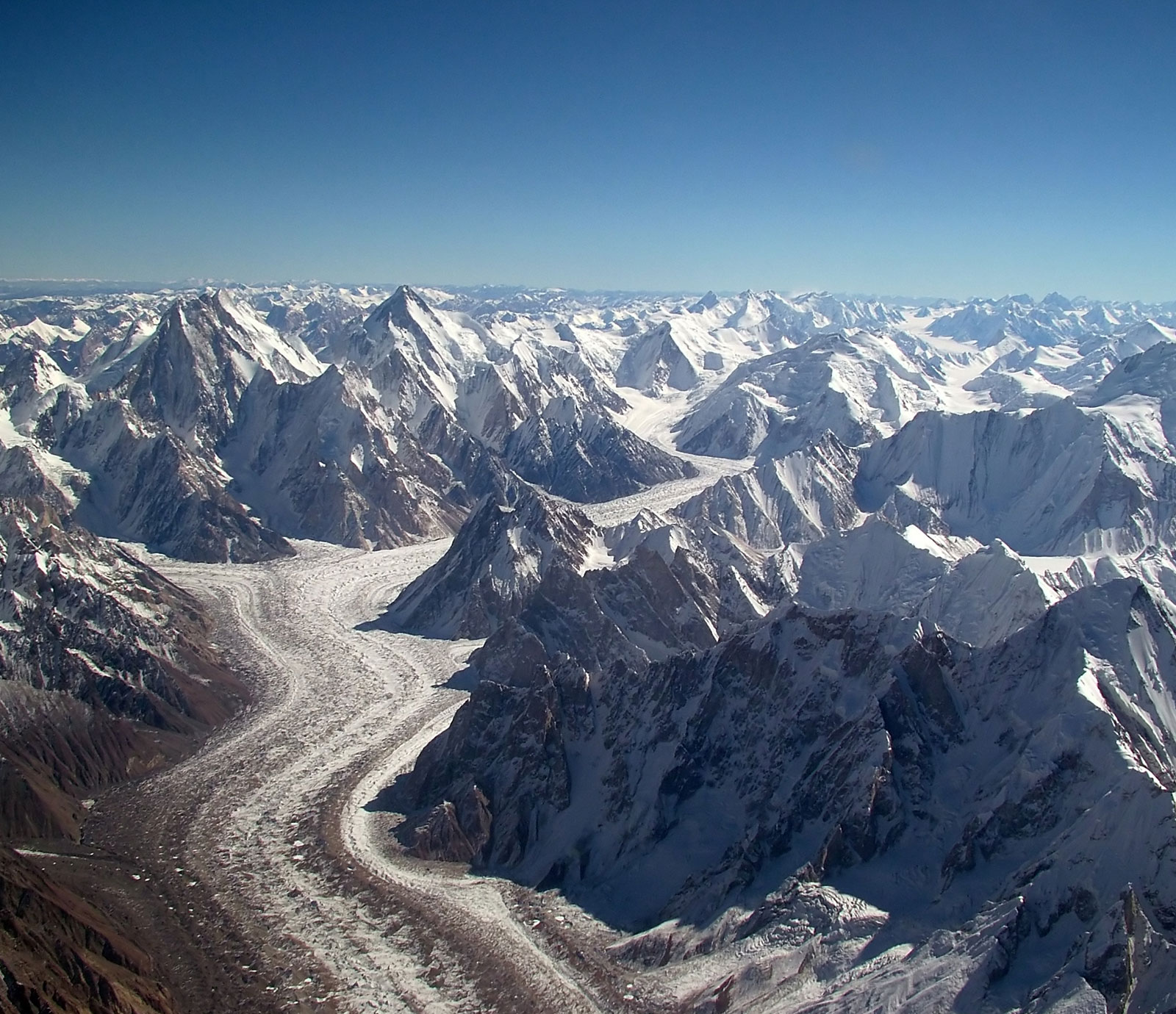
After location and size, the most resource-rich area of our country is its Northern part. Northern Mountains are full of benefits to Pakistan. These highlands protect our country from Siberian cold winds which would have had adverse effects on Pakistan's climate, agriculture and hence the economy. These mountains connect Pakistan to China through Khunjerab Pass and Karakorum road. There are many glaciers which are the great sources of water. There are copious ice glaciers with the world’s second and third longest glaciers like the Siachen Glacier (70 km) and the Biafo Glacier (63 km).The origins of all main rivers of our country lie in those high peaks.
The world’s mightiest mountain ranges, their great overpowering scenic beauty and magical serenity attract tourists from all over the world and promote tourism as an economic activity in Pakistan. With the aid of proper infrastructure, this heaven on earth can yield billions of dollars for Pakistan and can boost up our economy. Northern mountains are full of mineral resources.
- Gold is found in Basha, Braldo, Parkuta and Saltoro, and also in river Indus, Shigar and Shyoq
- Alluvial Gold is collected by washing in Baltistan
- Mush serpentine (Zehr-Mohra) is found in Shigor; utensils are made from this stone
- The best quality of Crystal is in Braldo and Shakarthang, as well as in Rondu
- Marble of good quality is found in the region of Kwardo on the mountain facing Skardu
- Black marble is excessively available in the area of Gulabpur and Chotro.
- Emerald mine is present in the Shigar valley
- A mine of mica has also been reported at the Nyaslo stream in the Basha valley
- This valley is rich in the resources of copper and fluoride
- Salajit is mined in the area of Rondu. Copper sulphate is found in the area of Chorbat
- Iron mines are found in Shigar and Braldo
- Lead mines are found in Pharda, Khapulu and in Daso, Shigar
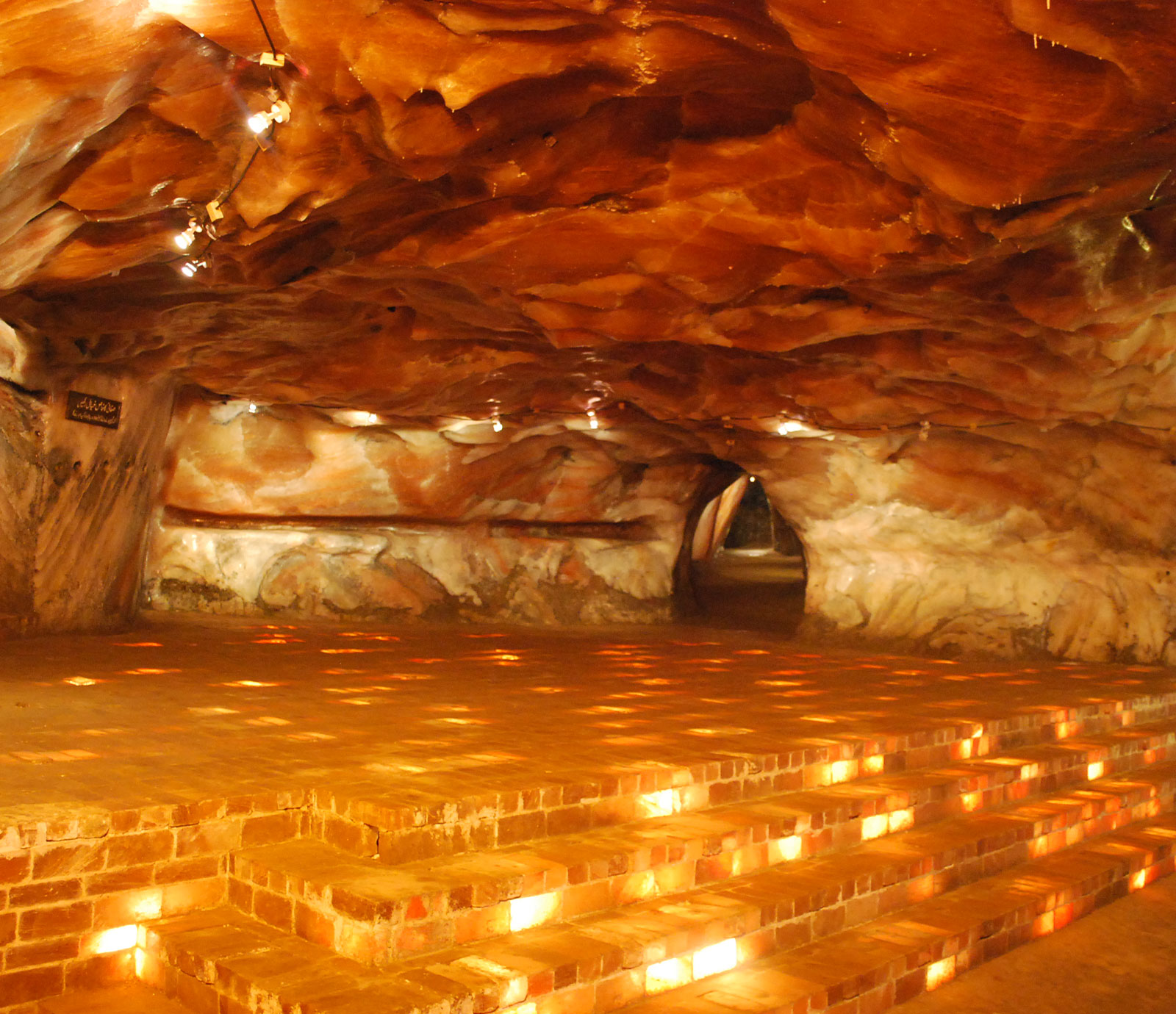
Along with these mountains, Pakistan has been gifted with plentiful plateaus, among which are Potwar and Balochistan that contain great number of metals, minerals and industrial commodities. The area of Potwar Plateau is abundant in salt and this has long been mined.
The Khewra salt mines are the biggest salt mines in the world, producing best quality of salt. It can be very beneficial as export commodity. Potwar is not only rich in salt but Gypsum, Sandstone, local quality coal, limestone, cement rock, iron ore and clay are excessively found in this area. Like this, Balochistan is also very rich in minerals, gems, as well as fresh and dry fruits. Out of the total, about 80% of the area of Balochistan Plateau is rich with a wide variety of minerals. Though there is a scarcity of water reservoirs, forests and natural scenery but God has endowed this terrain with valuable resources.
There is a large quantity of natural resources in Balochistan, including Chromite, Fluorite, Barite, Asbestos, Marble, Garnet, Vermiculite, Gold, Copper, Iron and most notable Gas, Petroleum and coal. Important agricultural production of Balochistan includes apricots, apples, cherries, dates, grapes and onions. Fish is also a significant produce of Balochistan. In Saindak, large deposits of gold, copper and ore are found.
Pakistan’s gemstones are considered the most precious in the world which includes topaz, ruby, peridotite and emerald. These valuable gemstones are found in the some parts of northern areas and Balochistan like Chillas, Gilgit, Hunza, Swat, Dir, Mansehra, Kohistan, Khyber Agency, Bajaur Agency, and Mohmand Agency. Moreover, Waziristan, Chaman, Taftan, Panjgur, Chaghi, Panjgur, Kalat, Loralai and Kharan are also gemstones rich areas. Apart from this, the alluvial plains of Pakistan hold utmost significance.
Pakistan is primarily an agro-based country, and agriculture is the backbone of its economy; contributing to 26% of its annual GDP. About 30 percent of the soil of Pakistan is arable and nearly 80 percent of the cultivated land is irrigated.
In addition to this, the country enjoys favorable climate along with four seasons, and cash crop production among other agricultural activities can be carried out throughout the year. Along with these natural merits, Pakistan has one of the largest canal irrigation networks. It hosts a centuries old farming culture, with cost effective and hardworking agricultural manpower as well as reasonable price offering of land. The extensive local agricultural market of Pakistan is growing at 29 percent per year with a globally competitive unit cost of production for all major crops, fruit and vegetables at a very low transportation cost, and developed routes to markets such as the Middle East, Iran and Afghanistan.
Due to unique geographical location there is a natural wind corridor available in the coastal areas of Sindh and Balochistan provinces. Areas of district Thatta, Karachi, Hyderabad and Badin of Sindh Province and in Balochistan Province, Coastal Belt of district Gwadar and Makran have potential to generate wind electricity which can reduce the energy crises of the country. Warm water coastal areas of Balochistan and Sindh provinces are not only important for our country but for all the neighboring countries.
Pakistan is home to the developing port city of Gwadar, located on the shores of the Arabian Sea, in the province of Balochistan, and is considered to be of immense geo-strategic importance worldwide. Gwadar is one of the deepest seaports in the world, and is therefore of high interest to foreign investors as it will be connected with the subcontinents, West China, Central Asia and Afghanistan. It is located between three vastly significant regions of the world; the oil-rich Middle East, the heavily populated South Asia and the economically emerging and resource-rich Central Asia. Analysts believe that Gwadar, if developed in the future, will serve significant purposes in advancing the economy of the country, and an estimate of 50 percent increase in GDP of Pakistan has been put forth. It will act like the Swiss-Canal, Panama Canal, Singapore, Dubai etc, for Pakistan.
Moreover, the Port of Karachi and Port Qasim along with the Gwadar sea ports are also serving as a key regional trade hub on the warm waters of the Arabian Sea. China is profoundly dependent upon the petroleum and its products from the Persian Gulf; these commodities pass by a very long way through the Strait of Malacca, which is at present; under US impact. Oil reaches Shanghai or at the East Coast of China after passing a very long and uncertain route. Transportation of the oil through Gwadar Sea port and then the Karakoram Highway (KKH) is a much safer, cheaper and shorter route to the China. China is developing its southern provinces because its own port is 4500 km away from Sinkiang but Gwadar is only 2500 km far.
Pakistan is offering to Central Asian Russian states (CARs) the shortest route of 2600 km as equated to Iran (4500 km) or Turkey (5000 km). Gwadar’s warm water deep sea port has the potential to acquire the position of prime importance as a gate to Strait of Hurmoz. The geographical location makes the Gwadar Deep Sea port at a much advantageous position than other competing ports in the region, like Rashid and Jebel Ali ports of Dubai, Salalah Port of Oman, Bandar Abbas and Chahbahar ports of Iran. Commercially it can compete with the United Arab Emirates by providing better trade route to the landlocked countries of the Caspian Region. It is an important route for oil tankers bound for Japan and Western countries out of Gulf region.
It is expected that Gwadar sea port in future would turn into an international hub of industrial and commercial activities, which would not only play a key role in the economic development of Balochistan, but also for the entire country. Pakistan could earn billions of dollars a year in terms of port cargo usage charges and as freight charges for import cargoes. According to its geography, Pakistan is one of the resource rich countries in the world. It enjoys a vibrant location, copious land area, fertile soil, large amount of coal, gas, gemstones, copper and gold reserves. Other resources also included oil, iron, titanium, aluminum and the best, warm water deep sea ports which are inexorable necessity for any growing economy and can make Pakistan a ‘Trade Hub’ and ‘Energy Corridor’.