Search here
 Log In
Oil Transportation
Oil is often produced in remote locations away from where it is consumed; therefore, transportation networks have been built to transport the crude oil to refineries where it is processed and transported to desired destinations.
Oil is normally transported by one of four options:
Rail
Oil shipment by train has become a growing phenomenon as new oil reserves are identified across the globe. The relatively small capital costs and construction period make rail transport an ideal alternative to pipelines for long distance shipping. However, speed, carbon emissions and accidents are some significant drawbacks to rail transport.
Pipeline
The most commonly used form of oil transportation is through oil pipelines. Pipelines are typically used to move crude oil from the wellhead to gathering and processing facilities and from there to refineries and tanker loading facilities. Pipelines require significantly less energy to operate than trucks or rail and have a lower carbon footprint.
Truck
The most limited oil transportation method in terms of storage capacity, trucks have the greatest flexibility in potential destinations. Trucks are often the last step in the transport process, delivering oil and refined petroleum products to their intended storage destinations.
Ship
Where oil transport over land is not suitable, oil can be transported by ship. A typical 30,000-barrel tank barge can carry the equivalent of 45 rail tank cars at about one-third the cost. Compared to a pipeline, barges are cheaper by 20-35%, depending on the route. Tank barges traditionally carry petrochemicals and natural gas feedstock to chemical plants. The drawbacks are typically speed and environmental concerns. Oil is stored in above-surface tanks and remains there until ready for transportation.
Globally all crude oil and refined products are transported over long distances whether by sea or by land. Of the 3.5 billion tons produced annually worldwide, about half is exported from Middle East, Africa and Latin America to North America, Europe and South East Asia. Recent Equasis (online database of shipping industry) statistics attest to some 9,130 oil tankers worldwide, representing 15% of the world fleet in terms of number and 30% in terms of tonnage.
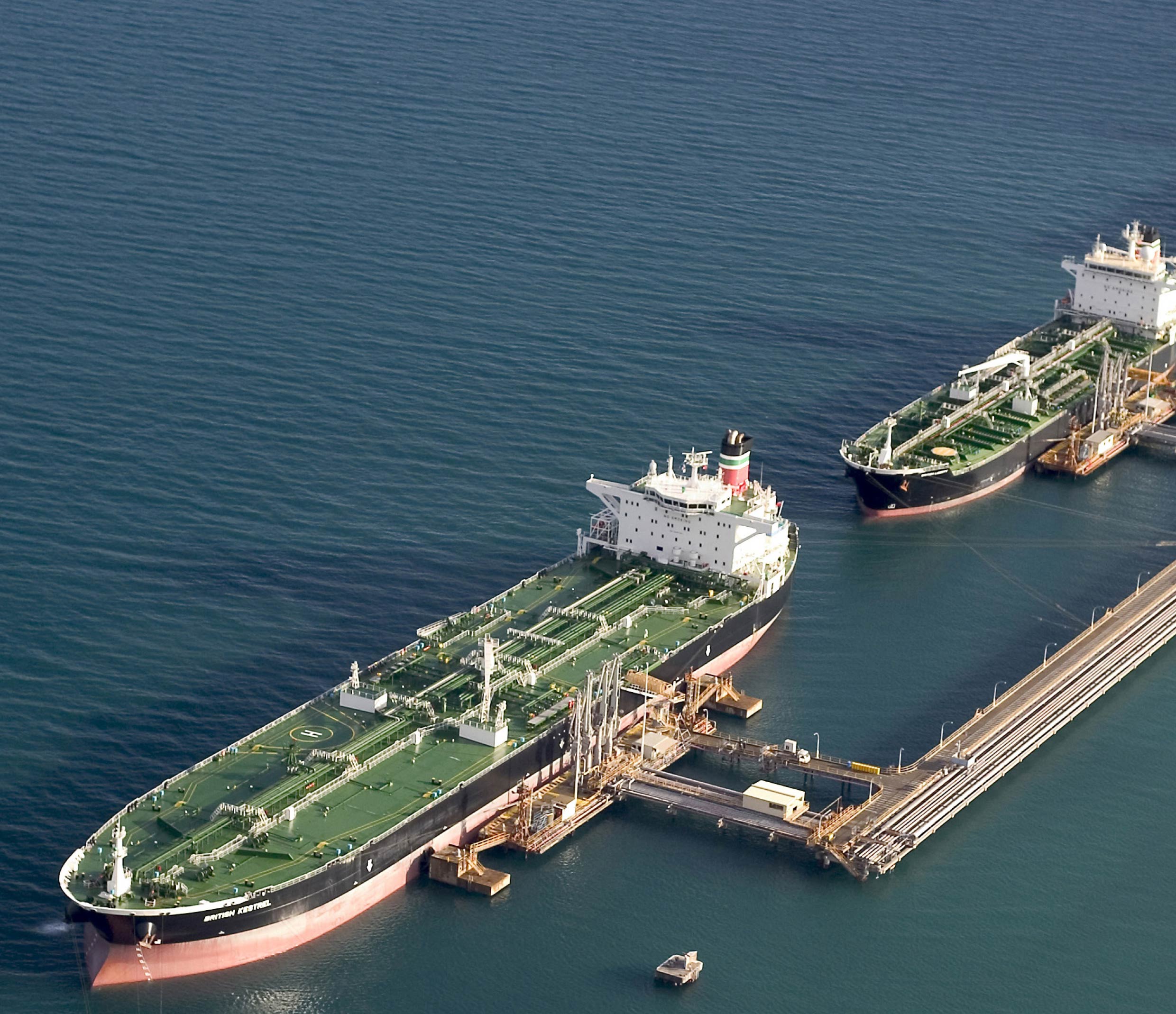
The average voyage for an oil tanker lasts two weeks and includes at least one passage in a high risk zone. In addition, coastal tankers, barges and canal boats cover a multitude of coastal and river routes, with several hundreds or thousands of cubic meters of refined products onboard.
High Risk Zones
High risk zones tend to be areas such as straits and capes where several vessel routes meet. Examples of danger zones are
- Pas-de-Calais (between France and Great Britain)
- Strait of Gibraltar (Spain)
- Strait of Malacca (between Malaysia and Indonesia)
- Bosphorus (Turkey)
- The increase in exportation of Russian oil across the Baltic Sea has also created heavy traffic in this area, thus causing risks.
- In France, every day more than 300 vessels sail by the farthest point of Brittany in one direction or another, transporting more than 600,000 tons of dangerous goods (petroleum products, chemicals, radioactive or explosive substances). This area is one of the most dangerous in the world. It holds the tragic world record of the greatest tonnage of hydrocarbons spilled in accidents involving vessels.
However, the risk would neither be eliminated nor even significantly reduced if refining were to be carried out entirely in the countries where oil is produced. If consumption patterns remain as they are today, many more refined products will have to be transported over long distances, including some which require delicate handling and may be more dangerous for the environment than crude oil.
Heavy fuel oils for thermal power stations are in great demand by countries, such as Italy, which choose not to use nuclear power to generate electricity, and are dreaded pollutants. The worst oil spill Japan has ever seen was caused by the wrecking of a Russian oil tanker, the Nakhodka, on 2 January 1997. The vessel was transporting a cargo of heavy fuel oil from Shanghai (China) to Vladivostok (Russia). The oil spills caused by the Erika (France, 1999) and the Prestige (Spain, 2001) also involved heavy fuel oil.
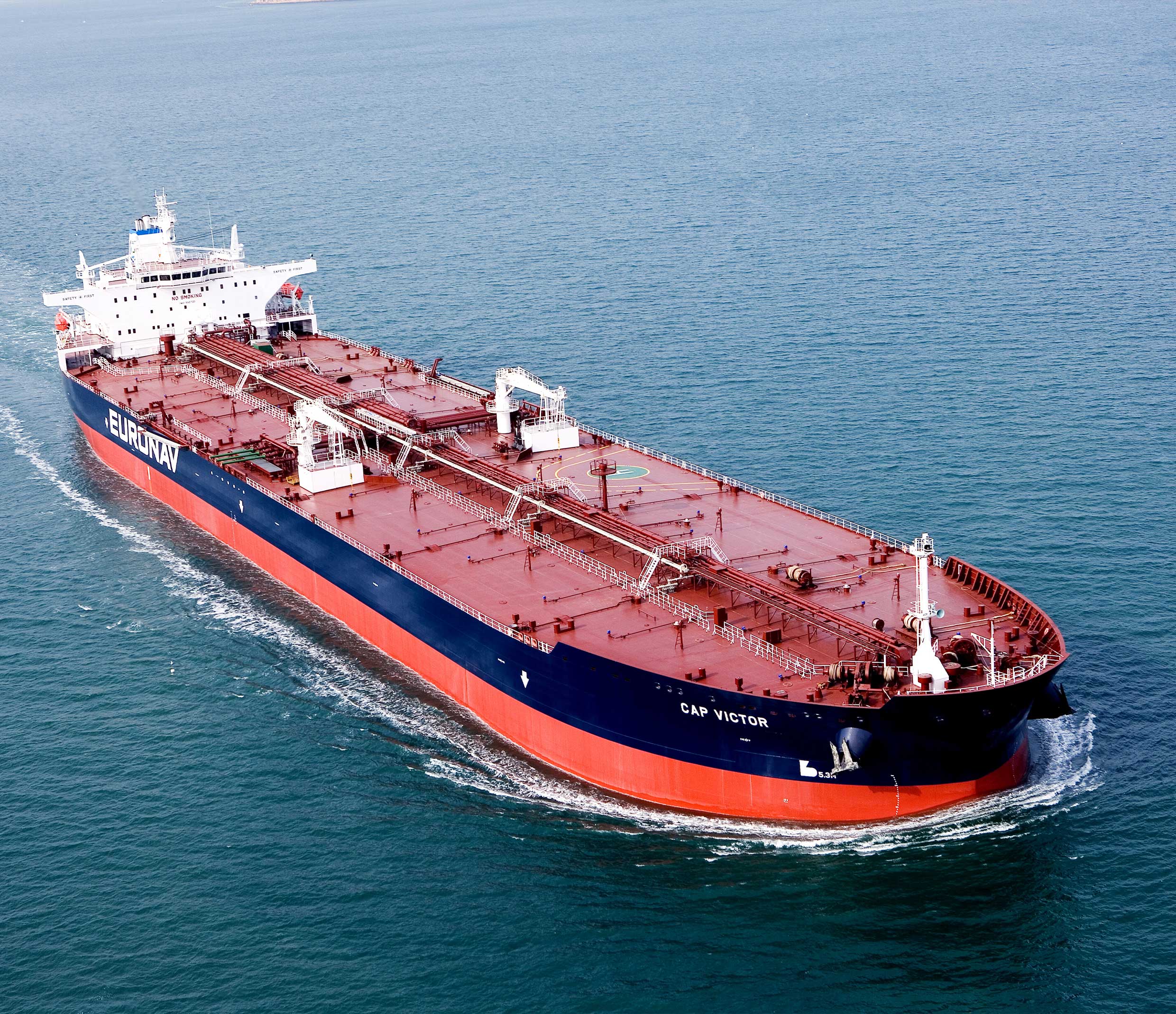
The variety of potential risks affecting oil tanker routes varies in nature and by virtue of the geographical location. The main crude oil transportation routes are statistically the areas where a major accident is most likely to happen. However even minor transportation routes can become the site of a disaster.
Risks should therefore be assessed according to a number of factors and the best possible precautionary measures should be put in place throughout the production lifecycle, from the extraction of crude oil to the distribution of refined products. It is crucial to be well organized in order to avoid all spills caused by negligence and to effectively combat accidents.