Search here
 Log In
Investing In Pakistan Money In High Tide!
A significant milestone for the Pakistani industry was the GSP plus status by the European Parliament which has been enabling more than 600 Pakistani export items into 28 European Union member countries at zero custom duty since January 2014.
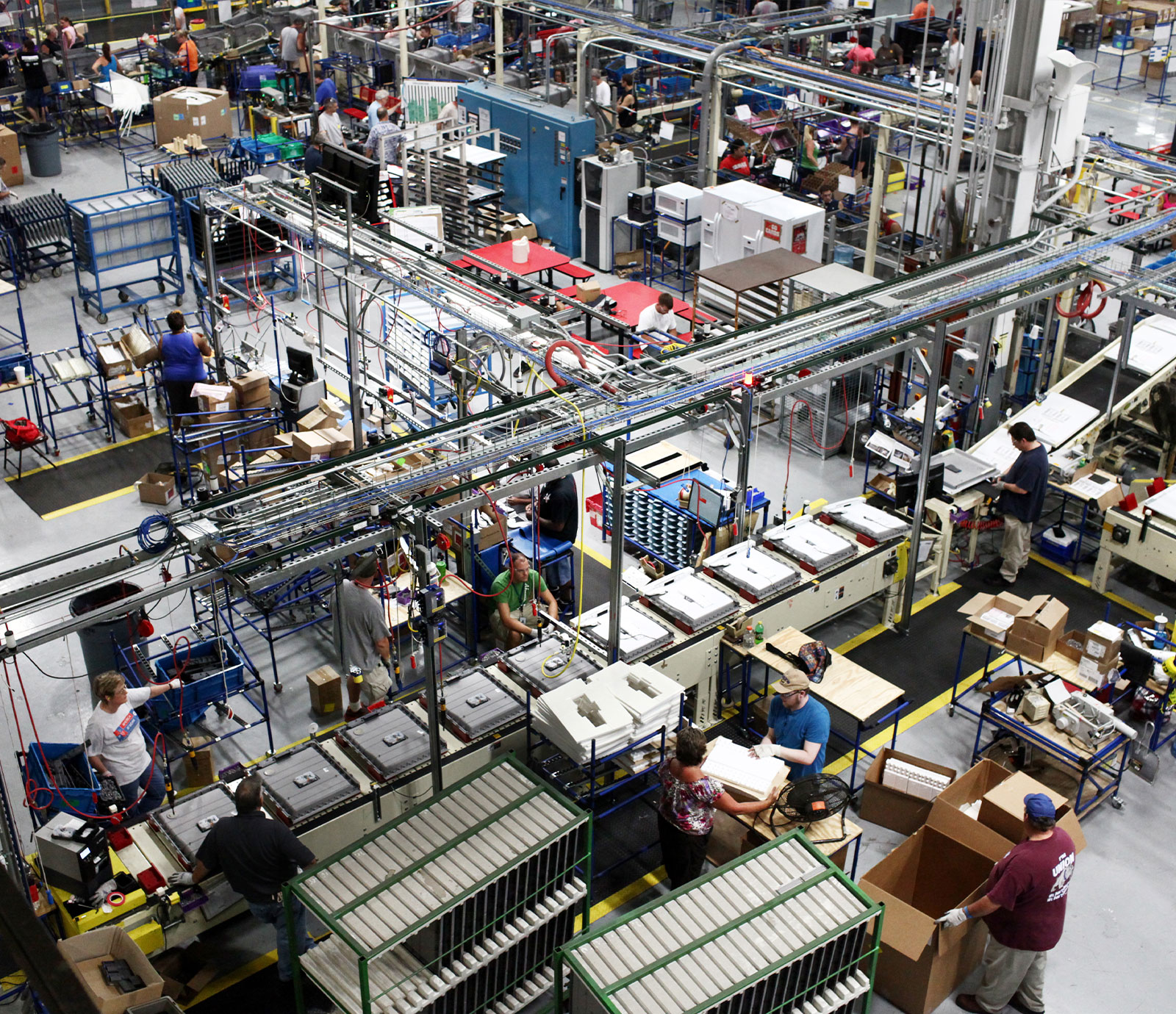
Factory of the future will be a virtual integrated network from product design to finished product with least human interaction. The key drivers behind this trend are increased labor costs in developed economies, pressure on managers to enhance asset efficiency and advancement in digital technologies.
Brief Overview of the Economy
Pakistani economy has witnessed highest Gross Domestic Product (GDP) growth rate of 4.14 % since 2008-08 for the fiscal year 2013-14. Due to the much needed focus and undivided attention of the present government, Economic Survey of Pakistan has shown positive indications about the overall economy. Industrial sector growth rate has increased up to 5.8 percent this year as compared to 1.4 percent previous year. Furthermore, manufacturing sector is the dominant sub-sector in the industrial sector comprising 65 percent share and it has also recorded high growth rate of 5.55 percept compared to 4.53 percent last year.
The government has taken many important steps to further enhance the compatibility of the industrial sector in Pakistan such as clearing the circular debt of more than Rs 480 billion (US $4.8 billion) which added additional electricity into the system. Another significant milestone for the Pakistani industry was the GSP plus status by the European Parliament which has been enabling more than 600 Pakistani export items into 28 European Union member countries at zero custom duty since January 2014. This hallmark achievement also shows confidence in Pakistani products and it has opened new avenues for the investment and improvement of existing infrastructure in Pakistan.
The overall business perception about Pakistan is positive and financial markets such as Karachi Stock Exchange (KSE) is considered one of the most competitive markets in the region. In 2014, Pakistan also entered into global financial markets and raised $3 billion including $1 billion of dollar-denominated Sukuk bonds.
In 2013 general elections, first time in the history of Pakistan a smooth transition in power was completed from one politically elected government to the new government. The event reveals the political stability in Pakistan. The present government has continued the good economic policies of previous government. Therefore, confidence of international business community regarding investment within the country has increased.
Manufacturing Industry of Pakistan
The manufacturing industry, one of the promising industries, has a huge significance for the economic development and the foreign exchange revenue generation for the country. Although Pakistani economy is largely based on agriculture but in recent years the manufacturing industry has played vital role in the economic and social development of the country. Many sub-sectors such as textile and apparel, leather, football, cutlery and surgical instruments have performed well and reckoned as the backbone of the manufacturing industry.
Following are the salient features of the present government agenda to foster innovation and business development in Pakistan.
- Building new infrastructure such as economic corridor between Pakistan and China to shape Pakistan as a trade route between the South East Asia and Central States
- Improving access to finance ability of the companies and budding entrepreneurs to foster innovation and development
- Measures to speed investment process for domestic and international investors by reducing the time required for business registration and other barriers
- Regulatory reforms such as contract enforcement and initiation of privatization of various government owned entities
- Facilitating and supporting new business ventures and start ups
- Initiatives for skill development in workforce to make them more efficient and effective through vocational training and internship
Advent of New Manufacturing Technologies
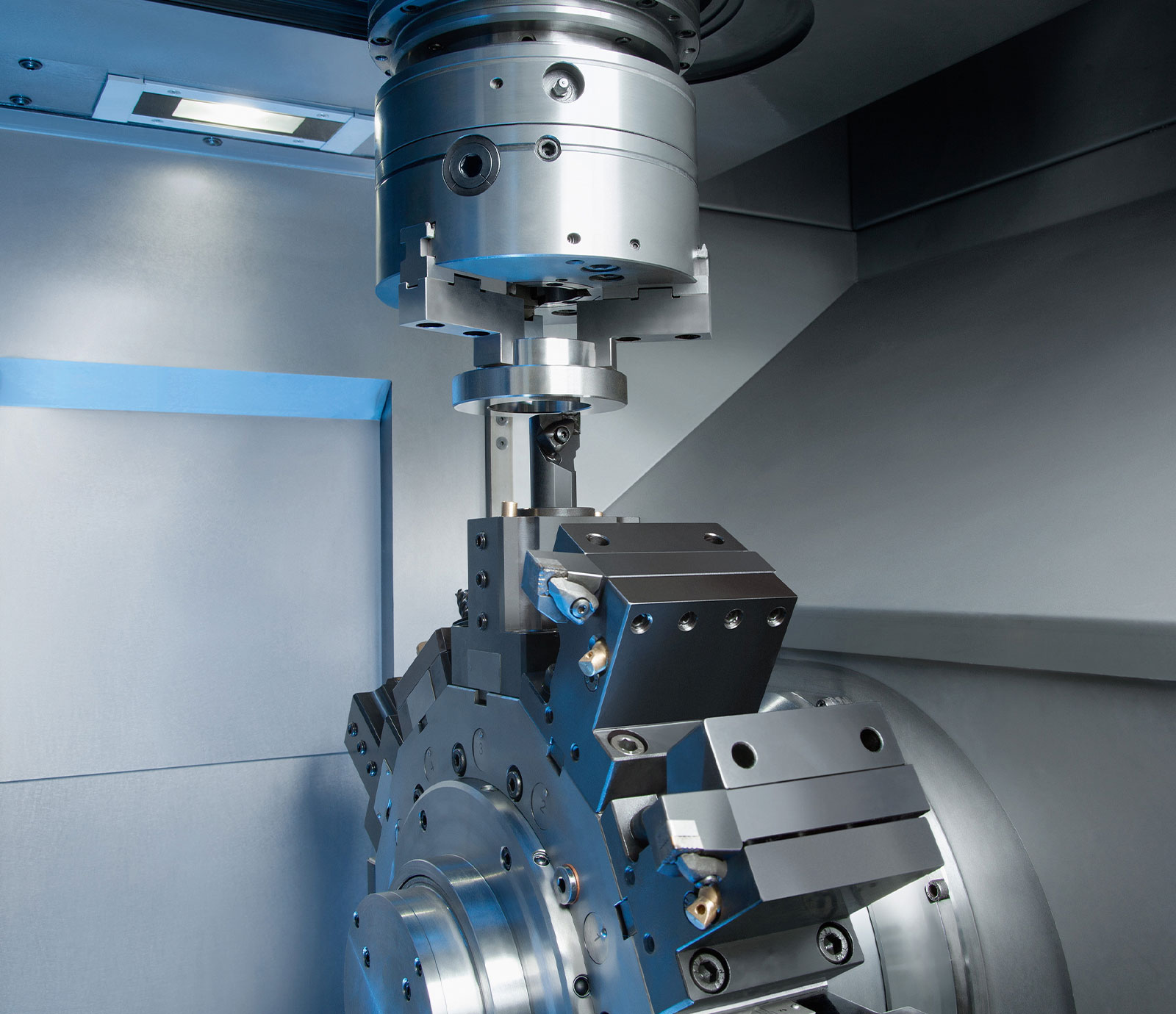
The manufacturing industry has undergone significant changes in recent years especially due to the advancement in the arena of information and technology (IT). Advanced manufacturing, digital manufacturing, additive manufacturing (AM), 3D and disruptive technologies are some of the different names associated with these rapid changing technologies. Sometimes it is even called a third or fourth industrial revolution. The basic logic behind all these new ways of production is the use of digitally created designs to produce solid objects through digital printers. These printers add successive layers of material i.e. plastic into solid objects.
New Trends and Relevance for Pakistani Manufacturing Industry
A recent report by KPMG shows that change in the design of factories and AM are among the top ten trends which are shaping the future of industrial manufacturing in various countries.
Future factories will be using IT such as Computer Aided Design (CAD) and real-time processing of data that will be interlinked with supply chain, production control in the form of robotics, product lifecycle and customer feedback. To be more precise, factory of the future will be a virtual integrated network from product design to finished product with least human interaction. The key drivers behind this trend are increased labour costs in developed economies, pressure on managers to enhance asset efficiency and advancement in digital technologies i.e. analytical software, big data, etc. Generally, traditional manufacturing incorporates several steps in the production process which often require more time and more cost. Nowadays there is need for tailor-made products, simple manufacturing process and reduced costs; both the manpower and tooling. These trends present great prospects for Pakistani manufacturing industry because vast majority of international companies are looking reliable and cheap labour markets where they can produce inexpensive products. In recent years, China, India and Bangladesh have taken advantage of this situation.
A report from Mckinsey Global Institute predicts that more than 320 million manufacturing workers, around 12 percent of the global workforce, will be affected by this technology along with the $11 trillion global manufacturing GDP. 3D technologies will also disrupt: toys manufacturing industry which produce eight billion toys annually which is worth $85 billion sales. As Pakistan mostly import industrial machinery and related technology from industrial nations such as Germany, Japan and US, these tech-trends also present an opportunity for future investment in Pakistan. Pakistan has sixth largest consumer market with 190 million people and majority of them use high quality products.
Advantages of Digital Technologies for the Pakistan Manufacturing Industry
Below are some of the potential advantages of digital technologies for the Pakistani manufacturing industry if a comprehensive innovation policy is adopted for its implementation.
- Digital technologies such as 3D have made possible direct manufacturing by eliminating tool and labour costs, and time.
- Components produced using topological optimization has significantly reduced the weight making new products lighter, stronger and more durable.
- Now we have wasy to assemble parts thanks to the production of various parts into one component.
- There is a reduction in production complexities because of the elimination of production steps.
- The mass production is customized from nano objects to large products.
- The low market entry barriers for SME’s and retail companies due to reduced costs in hardware.
- The efficient use of raw material by minimizing waste.
Investment in new Manufacturing Technologies Worldwide
According to recent acatech report for example, U.S. has increased R&D funding by 19 percent to $2.2 billion in 2013 budget for advanced manufacturing research. China has envisioned massive advancement in the area of ‘intelligent manufacturing equipment, intelligent control systems and high-class numerically controlled machines’ in the 12th Five-Year Plan (2011-2015) and 1.2 trillion Euros are made available to achieve these objectives. Furthermore, India is also making efforts to increase its R&D allocation upto two percent of GDP in the Five-Year Plan (2012-2016) and various other innovative projects are also initiated recently such as cyber-physical systems innovation hub. The sophistication of 3D printer technology has increased its demand because it is possible to manufacture highly customized products in various lot-sizes by virtually from anywhere.
Digital Roadmap for the Pakistan’s Manufacturing Industry
Digital technologies will play an instrumental role in shaping the next industrial revolution. Moreover these technologies also present unprecedented investment opportunities in emerging international markets such as Pakistan. However, these technologies will have a disruptive impact not only on manufacturing industry but also on other industries and society. Now it is the responsibility of relevant authorities such as regulators, legislators and policy makers to take measures for creating a conducive investment environment where maximum benefits of advancement in the technology could be gained. For Pakistan, the most important first step to harness fruits of this opportunity is to draw a comprehensive manufacturing policy to pursue international investors. Without any doubt, Pakistan has tremendous natural resources, well-educated young population and internationally recognized products, for instance, in textile, leather and sports. Sectors such as automotive, pharmaceutical, electronics, energy, telecom, and IT and transportation will be the key areas for foreign investment.