Search here
 Log In
Innovative Domestic Markets
The Future of Branding
To talk about the future is useful only if it leads to action now
Technology and innovation is now considered as one of the vital ingredient in the competitiveness of any nation and the competitiveness, of any market today is measured by the variety of brands it offers to its consumers. Technology, innovation and particularly e-services can be doubtlessly regarded as the future of branding in the upcoming market trends, and it is an evident that brands emerge from the domestic markets. Therefore, domestic markets must be redesigned in a way that they become landmark for local brands in international markets.
The reality is that trade policy and innovation policy have come together to the point where now they are intimately intertwined: it’s impossible to make trade policy without an understanding of innovation policy, and it’s likewise impossible to craft innovation policy without an understanding of trade policy.
More cities should be encouraged to adopt technological tools, such as e-Services. These can drastically reduce the number of days and the costs associated with starting and running a business. For those regions where internet services are difficult to access, the registration offices should have kiosks to facilitate the online registration process. This will not only speed up the process, but will minimize chances of corruption due to lack of personal interaction.
This is the time that we should maintain an open international stance to integrate our economy into the global economy, and for this, we must develop markets at home more appropriately termed as Domestic markets or Domestic Commerce. What we import and what we export is a product of these domestic markets. Efficient and well developed domestic markets fuel the economy as well as international trade. Domestic commerce is about domes- tic markets.
If we are able to develop these domestic markets, we will be able to develop brand names for high margin exports. Pakistan needs to develop new approaches to strengthening domestic markets.
The economy is a system that needs to work as a whole, with domestic and external trade supporting each other. It is in domestic markets that all manner of innovation and entrepreneurship can take place which later will move out and lead to higher exports and foreign exchange earnings. Entrepreneurs and innovators need neighborhood markets to perfect their products, brands and recipes, which they will then export.
Domestic commerce primarily includes retail and wholesale trades, restaurants and hotels, construction, transport storage and communication, financial and real estate and personal services. This sector is also where the poor and the middle class are hidden, the small shopkeeper, the rerhi wala, the unskilled labourer. It contains the largest number of small and medium enterprises. Indeed, fixing this sector should be the new SME policy. If we make this sector boom we will have a more egalitarian development.
Historically, domestic commerce has played an essential role in providing a solid base to today’s strongest economies. England, for example, was known as ‘a nation of shopkeepers’ before the Industrial Revolution. Well developed and large scale domestic markets are known for providing a testing ground to new products and techniques. New brands have greater chances of succeeding and becoming well known internationally when tested in well-developed domestic markets. Leading international brands have flourished through opportunities they were able to avail in their home markets.
Pakistan needs to do much more and adopt many other measures to create a thriving and well-established system for domestic commerce to compensate for these exogenous factors. Initially, we need to review the three main reforms needed to promote domestic commerce. First, reforming city zoning laws and building regulations to allow land use to respond to market demand. Second, pushing for openness and com - petition to bring international quality goods to the market and promote innovation. And lastly, our legal framework must support the complex needs of diverse domestic commerce.
Through these initiatives, we hope to continuously evolve a policy for making Pakistan a hub for commerce that impacts most positively on the poor of Pakistan. This approach will also contribute most significantly to the sustenance of economic growth to the point of making Pakistan a middle income country.
Moreover, the Quality of Domestic Commerce in Pakistan could be understood by the poor condition of the retail markets in our cities. They are mostly small, cramped and congested areas with limited square feet allocated to every shop. According to the Global Competitiveness Report, Pakistan ranks poorly in terms of domestic commerce measures: business sophistication, goods market efficiency as well as property rights protection. In all three measures, Pakistan ranks lowest when compared to other Asian countries including India, Indonesia, Thailand, Malaysia and China.
According to a survey, different establishments including grocery stores, clothing stores, book - shops, medical stores as well as stores dealing with jewelry, computer hardware and software, fruits and vegetables, bakeries etc. 95% had never used management consultants ,76% had never used marketing services, 91% had never used accounting services, 91% had never used legal or IT services. All these findings should be an eye-opener for the policy makers and administrative bodies. What is stopping this sector from growing? We need to find out! If we can unleash this sector, we will have a rapid economy boom.
We do not need to reinvent the wheel, it is only through competition with foreign markets and services that our domestic markets will improve and benefit through knowledge spillovers, learning by doing and exposure to new technologies and management systems. There are existing methods and technologies used internationally that an open economy can benefit from. Existing technologies can be built upon to create new knowledge and ideas.
The Public and Private sector should follow a vibrant vision of transforming Pakistani cities into a dynamic commercial hub of the region-a tourist destination, a shopping centre, regional headquarters for Multinational Corporation etc. We in Pakistan must encourage fresh thinking and allow technical people into government to make good things happen. Pakistan has lacked think tanks and universities for many years. Economic thinking and debate is seriously discounted often being left to non-professionals. Globalization offers us these opportunities and we must seize them. Our cities should have shopping malls, hotels, offices buildings, flats leisure activities and much else. The first step is to develop domestic commerce and domestic markets. Now our trade policy should not only be for promoting exports but for promoting all trade both at home and abroad. The new trade policy should be centered to encourage competition, create opportunities and provide an enabling environment for domestic commerce to flourish in an innovative and exciting new approach.
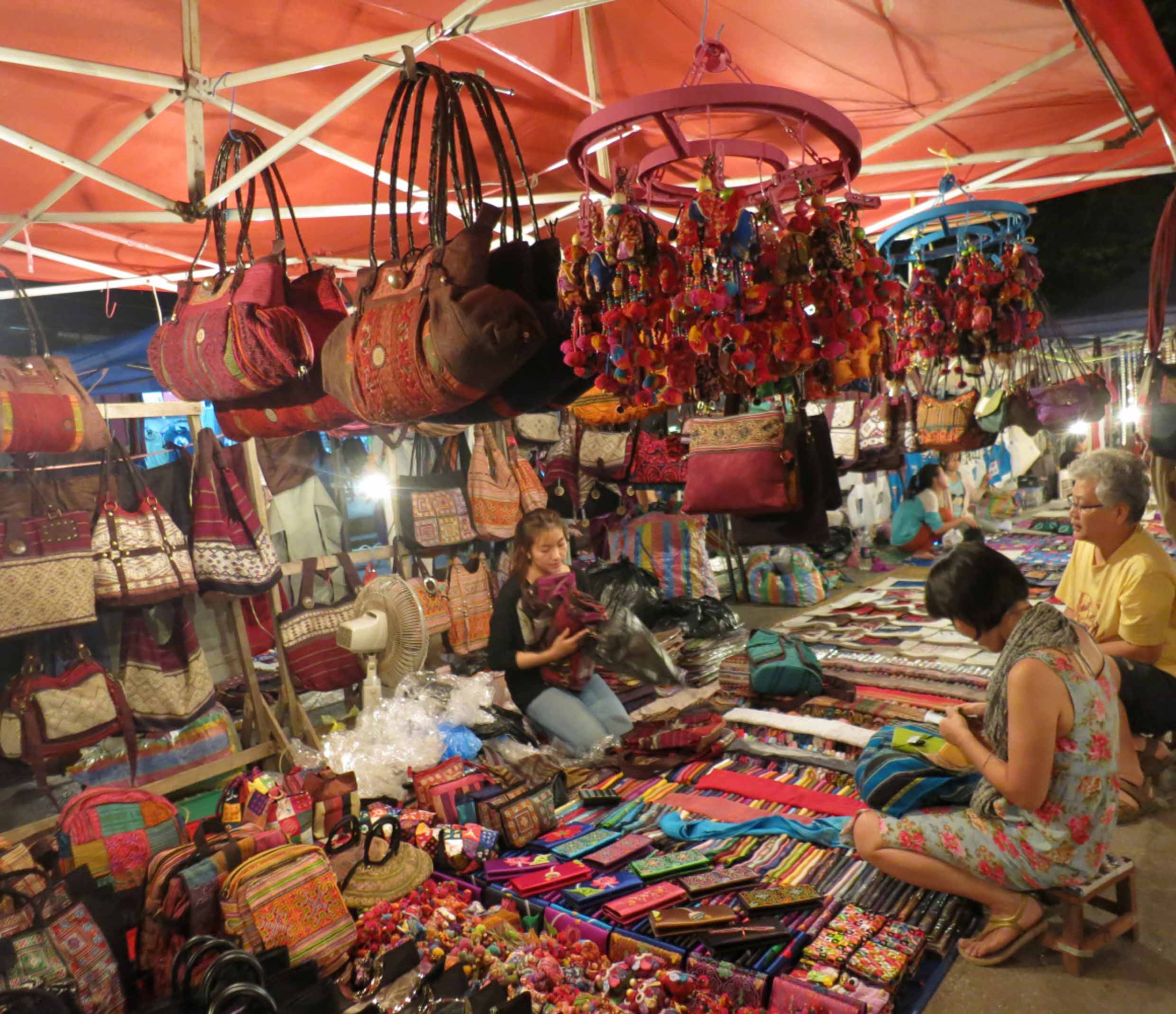
The poor entrepreneur, Khokhas and rehriwalas are part of the expanding informal retail sector in Pakistan and must be facilitated in every city. However, throughout our history, the small entrepreneur has been given no opportunity or environment to flourish. It is notable that in in several East Asian countries including Malaysia, Thailand, Hong Kong, Singapore and China, spaces are allocated for temporary stalls to be set up resulting in the now famous night markets. These vibrant markets are one of the biggest tourist attractions in their cities. By providing this space, poor entrepreneurs, young students with small businesses, craftsmen and artists, are all provided the opportunity to sell their items without the threat of expulsion.
Before policy making, it should be investigated that why locally successful brands have been unable to become well-recognized brands globally. When we look at the success stories of international brands and the innovative individuals behind them, we see that many have started off from humble beginnings. The opportunities they were able to avail in the domestic markets actually allowed them to expand, flourish and succeed in other regions of their home countries. McDonald’s, for example, started off in Chicago, expanded its presence to the rest of Illinois and then to the rest of the United States. Therefore, the proposed strategy should be focused on improving the quality and quantity of wholesale and retail outlets, ultimately linked to urban management and land use. To facilitate and accommodate the poor entrepreneur’s weekly bazaars and other public markets should be expanded to more locations and should cover more or all days of the week. Bazaars not only provide new opportunities and space to set up business for entrepreneurs, they also promote local arts and crafts and attract tourists, which generates valuable foreign exchange for our economy.
Pakistan needs to take major steps to improve the functioning of its internal markets. Given the high levels of corruption and a poor law and order situation, many more reforms are needed to compensate businesses for these destructive elements. These reforms can remove inefficiencies from the markets as well as provide support to the businesses to allow them to function freely and cost-effectively. While establishment and functioning of new businesses is essential, improvements are also needed to be made in connecting rural and urban markets, and improving temporary storage and long-term warehousing facilities, especially for agricultural (perishable) goods.

Another development could be the establishment of commercial courts comprised of Jury of common people selected randomly. This can provide a specialized environment for the firms to deal with their problems. These courts can either be set up as separate entities or as a separate chamber in the existing courts. The courts can provide judiciary trained in handling business-related matters that can provide decisions in a timely and impartial manner.
These policies will definitely transform the current scenario of Domestic market with special focus on “promoting successful business through encouraging trade, entrepreneurship and innovation and providing fair and efficient markets for the welfare of all Pakistan”. Ultimately it needs to be realized that we are often too loose with the term ‘policy’. The economists should study a situation, before formulating any policy. Only with the help of in-depth analysis, a better policy framework could be devised.