Search here
 Log In
Excelling In Today's Economy
With news rattling us every day about both global and local financial crisis and panic causing dips in the stock markets across the globe, we are all left in the predicament of how to best survive, let alone excel. A recent gallop poll has suggested that over 68% of Pakistanis are not happy with the direction the country is headed in, up from 48% in recent years. The dollar rate is hovering near all-time high; jobs are harder to come by and with new taxes & duties, businesses are finding it harder than ever to operate. Organizations have been forced to cut expenses, reduce budget and downsize.
At the consumer end, purchasing power has gone down, inflation is high in addition to the direct 16-17% GST effect on prices of every service and commodity. The economy seems to be at rock bottom; and when you are at rock bottom, the only way left to go is back up. Positives have started to emerge with reduced Current Account Deficit, a relatively Positive Moody Report, positive signs in FATF classification, Turkey & Malaysia displaying solidarity with Pakistan on the global stage.
Further, with imports going down, a vast gap has appeared between customer demand and market supply, leading to emergence of opportunities for local players to penetrate and capture the market. Additionally, the government has introduced E-Commerce and Digitization Friendly policies, to further propel the economy upwards.
During this series of articles, we will go through the steps required to be taken for excelling in today’s economy by Start-ups, existing businesses and by job seekers. In Part 1, we will be exploring the necessary steps start-ups need to take.
The most highly tending buzz words in the business community today are “entrepreneurship” and “start-ups”. Entrepreneurship is defined as, “the activity of setting up a business, taking on financial risk in hope of financial gain.” In our society though, the risk is much greater than just financial as reputation and social standing also come into consideration. The “Proprietors” of the days gone by were the original entrepreneurs in Pakistan. They are joined in this category by people who find it difficult to work 9-5 jobs, those who feel creatively & productively bound by the corporate sector and those with the desire to excel at a much more accelerated rate than possible in a job.
In order to set up a successful start-up, especially in a trying and tiring economy, is to identify the right need or niche, and to determine whether this need/niche can be addressed given the local environment and resources on hand. Next, the requirement to innovate or imitate is to be formulated. Depending on whether you are a local or a global first mover or you are in the position to imitate a product/service offered elsewhere to Pakistan, will help you determine your startup’s short and long run policies.
One of the key parts of being successful is to have a road map ready from the initiation stage. The road map will help guide you and your company throughout the journey through both smooth and bumpy sections of your road to success. Next, it is essential to draw out both Overall and Measurable Goals for your startup. The goals need to be further divided up into measurable steps. This will help you keep tabs on your progress and will aid in effectively and efficiently addressing any issues that come along.
Once you have your idea, road map and goals aligned, it is necessary to determine your source of funds. There are seven main sources of funds for you to consider. Short details of each type of funding is given below:
- Personal Savings: This allows you to have complete ownership of your business and the direction you want to take it towards. The downside being the high-risk factor of losing your savings in case the startup doesn’t succeed.
- Family & Friends: This is a relationship based funding and provides feasible repayment terms. You may assign part ownership to your lenders or other incentives for investing. The downside being that usually such funding comes with no mentorship. In Pakistan, it can also lead to excessive interference from those not qualified enough or familiar with your company and its target audience.
- Crowdfunding: Crowdfunding allows you to take small contributions from several sources, either via your own social networks or through platforms such as kickstarter. This method allows you to offer small rewards, instead of shares & stakes in your company, in return for investment, such as discounted rates for products and services. The downside being, generating funds via this method is time and effort consuming, and can overshadow the dedication required for getting your business started.
- Angel Investors/Incubators: Angel Investors provide funds in exchange for both equity and share in profits. They are experienced individuals from your relevant industries and add extensive value with their guidance and existing resources and networks. The downside being you will have to partially give up administrative control of your company.
- Venture Capitals: Venture Capitalists provide significant amount of funding and look for making profit on the business going public or being sold to another investor. They require extensive feasibility of your business idea. Similar to Angel Investors, they are also experts in their relevant industries and provide expert guidance and access to their own networks and resources. To work with a Venture Capitalist, you will have to provide them with a sizeable share in your equity.
- Bank Loans: Bank loans provide quick access to fund without having to give up equity but usually come at high interest rates, especially for new companies and require collateral to be provided to the bank in exchange for the funds. Bank loans come with excessive paperwork, unmissable periodic payments and the need to pay back the bank irrespective of whether your business is a success or not.
- Government Funding: Similar to governments all across the world, Pakistan’s government also provides various funding opportunities and access to government run/partnered incubators and accelerators for startups. These provide funding, mentorship, office space and other resources. There is a strict and lengthy qualifying process and usually doesn’t require you to pay back to the government.
Next, it is imperative to find the right office space. Depending on the operational and logistical requirements of your business, you should choose an office space closer to your target audience, source of product/service and at low cost. With coworking spaces such as daftarkhwan and colabs, opening all across Pakistan, the initial cost of startup and capital required can be greatly reduced, and hence, risk reduced.
Further, you will have to develop the right team and as required, make the required partnerships. As the old saying goes, there is no “I” in Success. The right team members might seem like an additional expense at the start, but usually add high value to your business and its operations. They will allow you to delegate time consuming tasks and will let you focus on more important aspects of your product/service and of business development. Also, a good team member is an excellent tool to bounce ideas off of and may help you discover and combat both opportunities and issues that you may not be able to come across on your own.
Lastly, the formula for success is to never stop learning. There is no shame in not knowing and admitting that you don’t know something. Those who are too rigid to seek help from their team members or to undertake the process of learning new developments related to their product/service category, are bound to fail. In order to beat the odds, you must listen to your team members and partners and let them guide you through difficult times.
In the next part of this series, we will be looking at the steps existing businesses need to undertake to adapt to the changing economy and how to excel.

About the author:
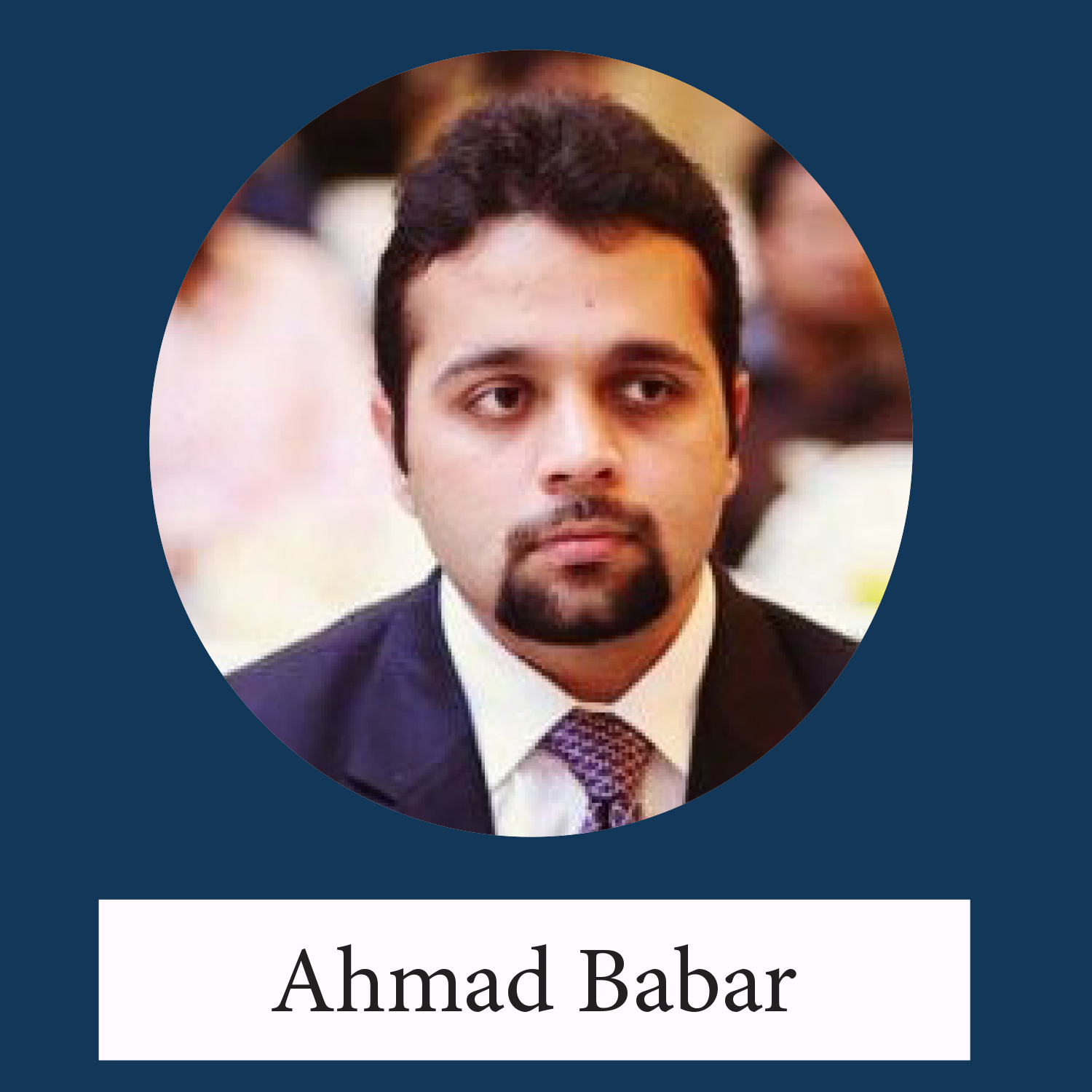
Ahmad Babar is the Founder of TOR Solutions, a consultancy and Corporate Training firm. He is also the CEO of The Outsource Resource (Pvt.) Ltd., a Leading HR Services Company.
Ahmad has previously served as Product Manager HHP at Samsung Electronics Pakistan and is a Certified Samsung Master Trainer. He also worked with Bank Alfalah as a Management Trainee Officer, working with the banks’ Priority Banking & Wealth Management Division as an Area Coordinator. Ahmad holds an MBA Degree from LUMS.
Ahmad has nearly two decades of public speaking experience and has won various awards and accolades. He secured third position for Samsung Pakistan at the Global Samsung Master Trainer Summit in 2013, held at Samsung’s Suwon Head Quarters, out of 100+ countries. Ahmad has himself undertaken dozens of trainings and workshops to continue to develop himself and his course material for trainings he offers under TOR Solutions. His diverse experience gives him key insight in all aspects of business and corporate culture.