Search here
 Log In


Mariam Al-Fardous
In the annals of history, there are stories that transcends borders, shatter stereotypes, and inspire generations. One such tale unfolds in the icy expanse of the North Pole, where an Arab woman defied expectations and made her mark in the world of diving. Her journey is a testament to courage, resilience, and the unyielding spirit of breaking barriers. Mariam Fardous, a determined Arab woman, embarked on this extraordinary adventure with a vision to challenge stereotypes surrounding women in her culture. In a world, often dominated by preconceived notions, she sought to redefine norms and showcase the prowess of Arab women beyond conventional norms.
The North Pole, a realm of extreme conditions and untouched beauty, became the stage for her historic feat. As she plunged into the icy waters, she not only faced the physical challenges of extreme cold and limited visibility but also confronted societal norms that questioned her place in such a daring pursuit. Her training regime was rigorous, requiring mental fortitude and physical endurance. Months of preparation led to the defining moment when she descended into the frigid depths of the Arctic waters. The icy embrace of the North Pole did not deter her; instead, it fueled her determination to leave an indelible mark on the canvas of history.
“My mother has always been a great source of motivation. She has always guided me to think out of the box, taught me to believe in myself and follow my dreams,” said Fardous.
She told that when she learned only two have been able to dive at the North Pole, she become curious. She wanted to be the first Arab women to hold the honor. Diving at the North Pole was indeed challenging and thereby Fardous started to prepare for it. She underwent months of long training. She was unable to find a sponsor, yet her motivation could not stop her, and she ended up financing her 40-days long journey by herself. In 2016, she made history by becoming not only the first Arab woman to dive at the North Pole, but only the third woman worldwide to do it. Al-Fardous is driven by social and environmental goals, and has established a specialized diving center for people with special needs.
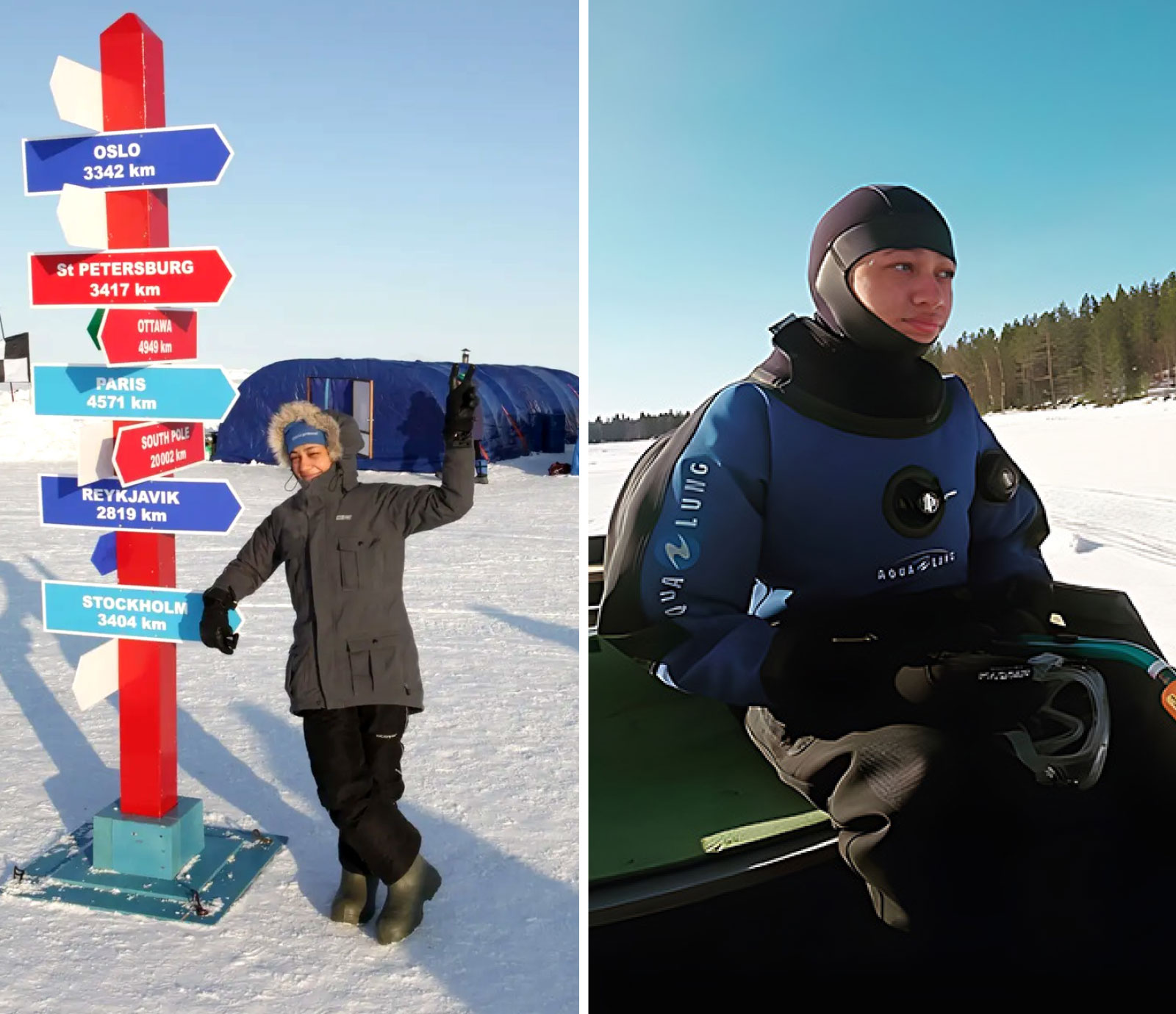
She is currently preparing for her Antarctic diving experience in late February, after completing her physical training at a specialized institute in Russia. Al-Fardous describes her forthcoming challenge as completely different from the first one in terms of the geographical location, the nature of the currents of the Antarctic and the aquatic life she might encounter, such as black whales, seals and penguins, which will be in the migration phase in February, from the north to the south.
“When I’m diving, I am in a happy space, and I instantly feel rejuvenated. The sea is a beautiful place to take a break”
By the time she finished her medical internship, she had earned a master scuba diver certification from the Blue Reef Divers in Jeddah—using her weekends to train. She specialized in open water, advance and rescue level dives, along with peak performance buoyancy and night dives. But her demanding work schedule did not prevent her from furthering her diving career and consumed her spare time for training.
Fardous and her companions were talking about the extremely difficult North Pole dive—only two women in the world have ever completed this accomplishment.
“The idea to dive at the North Pole seemed not only unique and interesting, but also a challenge that would define me. I wanted to be the first Arab woman to do so”
She started preparing right away, putting in months of rigorous training for the 40-day trip. Because she was unable to get sponsors, she paid for her trip alone. She left on her incredible journey on March 28, 2016.
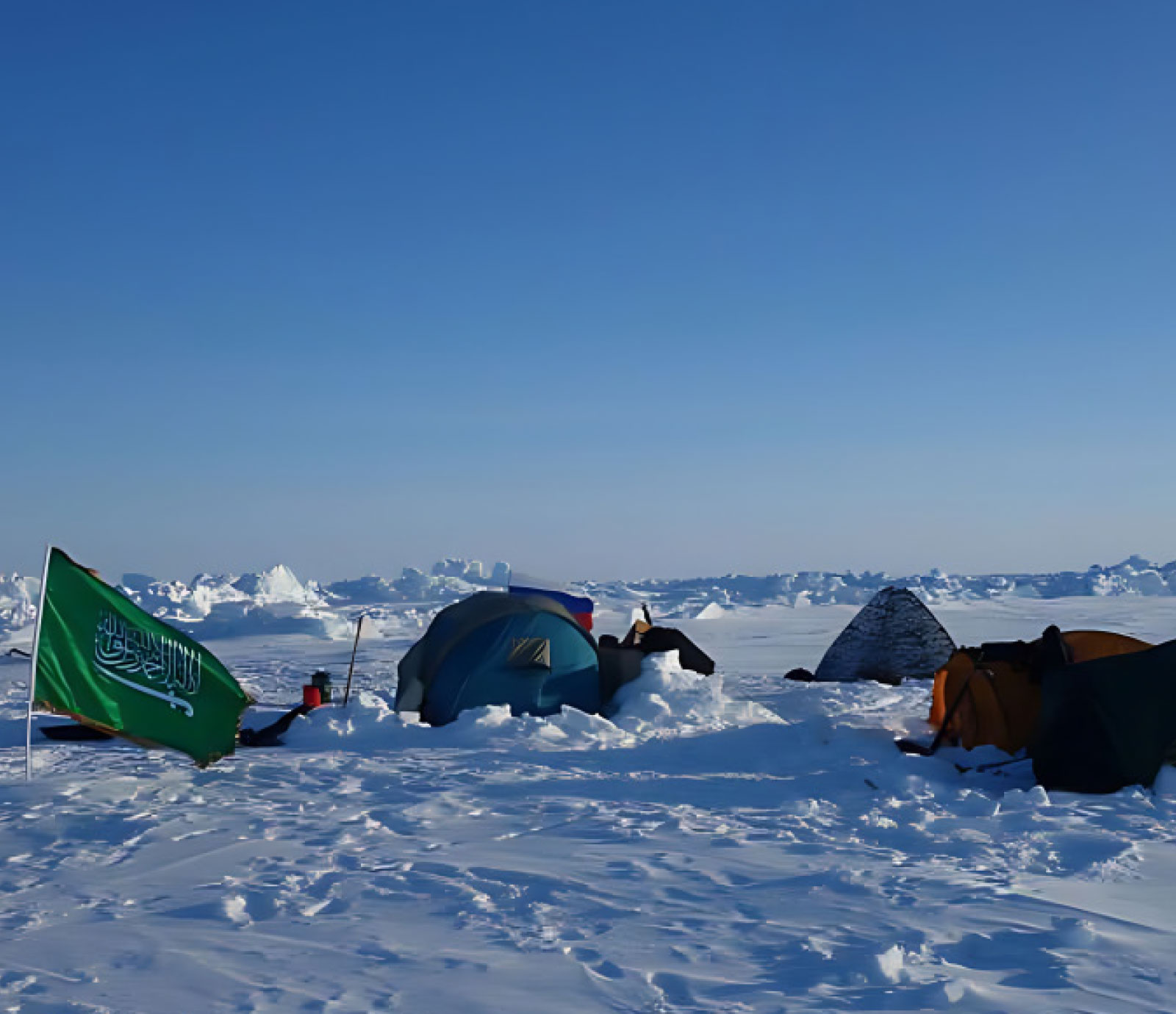
Fardous had to go to Moscow and then Karelia in northwest Russia in order to get used to the extremely cold sub-zero conditions before arriving at the Barneo base camp at the North Pole. She spent three weeks there. After taking a plane to Moscow, she spent three weeks in Karelia getting used to the bitterly cold climate. Fardous was transported by helicopter to Barneo, where the average temperature is -25°C, on April 20, 2016. Upon Fardous's departure, she bowed in appreciation.
“I was overwhelmed and extremely proud of being part of a historic expedition for my country”
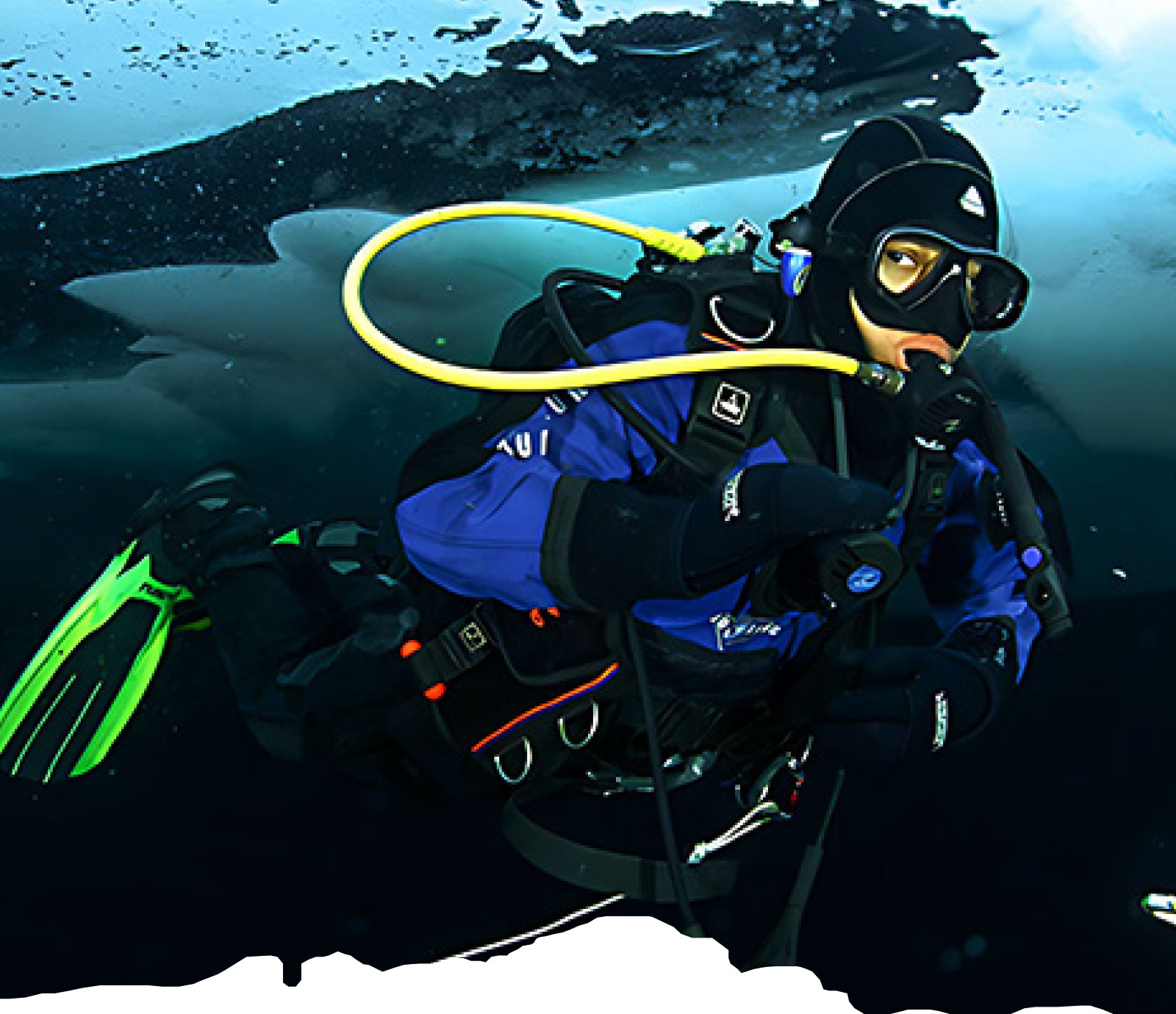
The dive occurred beneath the ice Arctic Ocean at the North Pole. Prior to diving, Fardous created the sole entrance and departure point for divers by breaking through several feet of solid ice with the assistance of her diving team.
The water's average temperature was -6C. Fardous submerged himself twice, each time for a duration of twenty-five minutes and a descent of about twenty-five feet. Recounting her initial dive experience.
“I went through a range of emotions. As I went deeper I felt light like a feather.”
The only time Fardous felt terrified on the entire expedition was when she dove for the second time a few days later.
“I had to do it because I had made up mind. But I felt very scared and very weak because I had lost strength due to lack of nutritious food.”
By the time the expedition was over, Fardous had lost 10kgs and was surviving solely on soup mix, chocolate bars, and almonds.
“I am an adventurer and a solo traveler. I dive whenever and wherever I get an opportunity.”
This groundbreaking achievement transcended cultural and gender boundaries, capturing the attention of the world. The media spotlight shone brightly on her, amplifying the message of empowerment and the limitless potential residing within every individual, regardless of gender or background. The Arab woman’s journey also sparked a dialogue on the importance of diversity and representation in unconventional fields. She became a symbol of hope for young woman across the Arab world, proving that dreams are not confined by societal expectations but can soar beyond perceived limitations. The ripple effect of her courage reached far beyond the icy waters of the North Pole, influencing a new generation of trailblazers eager to chart their own paths. As the pages of history turned, this Arab woman’s legacy endured, leaving an indelible imprint on the narrative of human achievement. Her story serves as a beacon of inspiration, reminding us that the human spirit is boundless and that perseverance can turn the unthinkable into reality. The tale of this Arab woman who made history in North Pole diving is not just a narrative of personal triumph but a testament to the power of breaking barriers. Through her courage, she became a symbol of empowerment, leaving a legacy that continues to inspire and ignite the flames of possibility in the hearts of many.